
Get trending papers in your email inbox once a day!
Get trending papers in your email inbox!
Subscribe





STAR: Spatial-Temporal Augmentation with Text-to-Video Models for Real-World Video Super-Resolution
Image diffusion models have been adapted for real-world video super-resolution to tackle over-smoothing issues in GAN-based methods. However, these models struggle to maintain temporal consistency, as they are trained on static images, limiting their ability to capture temporal dynamics effectively. Integrating text-to-video (T2V) models into video super-resolution for improved temporal modeling is straightforward. However, two key challenges remain: artifacts introduced by complex degradations in real-world scenarios, and compromised fidelity due to the strong generative capacity of powerful T2V models (e.g., CogVideoX-5B). To enhance the spatio-temporal quality of restored videos, we introduce~\name (Spatial-Temporal Augmentation with T2V models for Real-world video super-resolution), a novel approach that leverages T2V models for real-world video super-resolution, achieving realistic spatial details and robust temporal consistency. Specifically, we introduce a Local Information Enhancement Module (LIEM) before the global attention block to enrich local details and mitigate degradation artifacts. Moreover, we propose a Dynamic Frequency (DF) Loss to reinforce fidelity, guiding the model to focus on different frequency components across diffusion steps. Extensive experiments demonstrate~\name~outperforms state-of-the-art methods on both synthetic and real-world datasets.





VQA$^2$: Visual Question Answering for Video Quality Assessment
The advent and proliferation of large multi-modal models (LMMs) have introduced new paradigms to computer vision, transforming various tasks into a unified visual question answering framework. Video Quality Assessment (VQA), a classic field in low-level visual perception, focused initially on quantitative video quality scoring. However, driven by advances in LMMs, it is now progressing toward more holistic visual quality understanding tasks. Recent studies in the image domain have demonstrated that Visual Question Answering (VQA) can markedly enhance low-level visual quality evaluation. Nevertheless, related work has not been explored in the video domain, leaving substantial room for improvement. To address this gap, we introduce the VQA2 Instruction Dataset - the first visual question answering instruction dataset that focuses on video quality assessment. This dataset consists of 3 subsets and covers various video types, containing 157,755 instruction question-answer pairs. Then, leveraging this foundation, we present the VQA2 series models. The VQA2 series models interleave visual and motion tokens to enhance the perception of spatial-temporal quality details in videos. We conduct extensive experiments on video quality scoring and understanding tasks, and results demonstrate that the VQA2series models achieve excellent performance in both tasks. Notably, our final model, the VQA2-Assistant, exceeds the renowned GPT-4o in visual quality understanding tasks while maintaining strong competitiveness in quality scoring tasks. Our work provides a foundation and feasible approach for integrating low-level video quality assessment and understanding with LMMs.

STREAM: Spatio-TempoRal Evaluation and Analysis Metric for Video Generative Models
Image generative models have made significant progress in generating realistic and diverse images, supported by comprehensive guidance from various evaluation metrics. However, current video generative models struggle to generate even short video clips, with limited tools that provide insights for improvements. Current video evaluation metrics are simple adaptations of image metrics by switching the embeddings with video embedding networks, which may underestimate the unique characteristics of video. Our analysis reveals that the widely used Frechet Video Distance (FVD) has a stronger emphasis on the spatial aspect than the temporal naturalness of video and is inherently constrained by the input size of the embedding networks used, limiting it to 16 frames. Additionally, it demonstrates considerable instability and diverges from human evaluations. To address the limitations, we propose STREAM, a new video evaluation metric uniquely designed to independently evaluate spatial and temporal aspects. This feature allows comprehensive analysis and evaluation of video generative models from various perspectives, unconstrained by video length. We provide analytical and experimental evidence demonstrating that STREAM provides an effective evaluation tool for both visual and temporal quality of videos, offering insights into area of improvement for video generative models. To the best of our knowledge, STREAM is the first evaluation metric that can separately assess the temporal and spatial aspects of videos. Our code is available at https://github.com/pro2nit/STREAM.
Benchmarking AIGC Video Quality Assessment: A Dataset and Unified Model
In recent years, artificial intelligence (AI) driven video generation has garnered significant attention due to advancements in stable diffusion and large language model techniques. Thus, there is a great demand for accurate video quality assessment (VQA) models to measure the perceptual quality of AI-generated content (AIGC) videos as well as optimize video generation techniques. However, assessing the quality of AIGC videos is quite challenging due to the highly complex distortions they exhibit (e.g., unnatural action, irrational objects, etc.). Therefore, in this paper, we try to systemically investigate the AIGC-VQA problem from both subjective and objective quality assessment perspectives. For the subjective perspective, we construct a Large-scale Generated Vdeo Quality assessment (LGVQ) dataset, consisting of 2,808 AIGC videos generated by 6 video generation models using 468 carefully selected text prompts. Unlike previous subjective VQA experiments, we evaluate the perceptual quality of AIGC videos from three dimensions: spatial quality, temporal quality, and text-to-video alignment, which hold utmost importance for current video generation techniques. For the objective perspective, we establish a benchmark for evaluating existing quality assessment metrics on the LGVQ dataset, which reveals that current metrics perform poorly on the LGVQ dataset. Thus, we propose a Unify Generated Video Quality assessment (UGVQ) model to comprehensively and accurately evaluate the quality of AIGC videos across three aspects using a unified model, which uses visual, textual and motion features of video and corresponding prompt, and integrates key features to enhance feature expression. We hope that our benchmark can promote the development of quality evaluation metrics for AIGC videos. The LGVQ dataset and the UGVQ metric will be publicly released.

Matrix-Game: Interactive World Foundation Model
We introduce Matrix-Game, an interactive world foundation model for controllable game world generation. Matrix-Game is trained using a two-stage pipeline that first performs large-scale unlabeled pretraining for environment understanding, followed by action-labeled training for interactive video generation. To support this, we curate Matrix-Game-MC, a comprehensive Minecraft dataset comprising over 2,700 hours of unlabeled gameplay video clips and over 1,000 hours of high-quality labeled clips with fine-grained keyboard and mouse action annotations. Our model adopts a controllable image-to-world generation paradigm, conditioned on a reference image, motion context, and user actions. With over 17 billion parameters, Matrix-Game enables precise control over character actions and camera movements, while maintaining high visual quality and temporal coherence. To evaluate performance, we develop GameWorld Score, a unified benchmark measuring visual quality, temporal quality, action controllability, and physical rule understanding for Minecraft world generation. Extensive experiments show that Matrix-Game consistently outperforms prior open-source Minecraft world models (including Oasis and MineWorld) across all metrics, with particularly strong gains in controllability and physical consistency. Double-blind human evaluations further confirm the superiority of Matrix-Game, highlighting its ability to generate perceptually realistic and precisely controllable videos across diverse game scenarios. To facilitate future research on interactive image-to-world generation, we will open-source the Matrix-Game model weights and the GameWorld Score benchmark at https://github.com/SkyworkAI/Matrix-Game.





VideoGuide: Improving Video Diffusion Models without Training Through a Teacher's Guide
Text-to-image (T2I) diffusion models have revolutionized visual content creation, but extending these capabilities to text-to-video (T2V) generation remains a challenge, particularly in preserving temporal consistency. Existing methods that aim to improve consistency often cause trade-offs such as reduced imaging quality and impractical computational time. To address these issues we introduce VideoGuide, a novel framework that enhances the temporal consistency of pretrained T2V models without the need for additional training or fine-tuning. Instead, VideoGuide leverages any pretrained video diffusion model (VDM) or itself as a guide during the early stages of inference, improving temporal quality by interpolating the guiding model's denoised samples into the sampling model's denoising process. The proposed method brings about significant improvement in temporal consistency and image fidelity, providing a cost-effective and practical solution that synergizes the strengths of various video diffusion models. Furthermore, we demonstrate prior distillation, revealing that base models can achieve enhanced text coherence by utilizing the superior data prior of the guiding model through the proposed method. Project Page: http://videoguide2025.github.io/



TempoMaster: Efficient Long Video Generation via Next-Frame-Rate Prediction
We present TempoMaster, a novel framework that formulates long video generation as next-frame-rate prediction. Specifically, we first generate a low-frame-rate clip that serves as a coarse blueprint of the entire video sequence, and then progressively increase the frame rate to refine visual details and motion continuity. During generation, TempoMaster employs bidirectional attention within each frame-rate level while performing autoregression across frame rates, thus achieving long-range temporal coherence while enabling efficient and parallel synthesis. Extensive experiments demonstrate that TempoMaster establishes a new state-of-the-art in long video generation, excelling in both visual and temporal quality.
Vivid-VR: Distilling Concepts from Text-to-Video Diffusion Transformer for Photorealistic Video Restoration
We present Vivid-VR, a DiT-based generative video restoration method built upon an advanced T2V foundation model, where ControlNet is leveraged to control the generation process, ensuring content consistency. However, conventional fine-tuning of such controllable pipelines frequently suffers from distribution drift due to limitations in imperfect multimodal alignment, resulting in compromised texture realism and temporal coherence. To tackle this challenge, we propose a concept distillation training strategy that utilizes the pretrained T2V model to synthesize training samples with embedded textual concepts, thereby distilling its conceptual understanding to preserve texture and temporal quality. To enhance generation controllability, we redesign the control architecture with two key components: 1) a control feature projector that filters degradation artifacts from input video latents to minimize their propagation through the generation pipeline, and 2) a new ControlNet connector employing a dual-branch design. This connector synergistically combines MLP-based feature mapping with cross-attention mechanism for dynamic control feature retrieval, enabling both content preservation and adaptive control signal modulation. Extensive experiments show that Vivid-VR performs favorably against existing approaches on both synthetic and real-world benchmarks, as well as AIGC videos, achieving impressive texture realism, visual vividness, and temporal consistency. The codes and checkpoints are publicly available at https://github.com/csbhr/Vivid-VR.
Temporal Prompting Matters: Rethinking Referring Video Object Segmentation
Referring Video Object Segmentation (RVOS) aims to segment the object referred to by the query sentence in the video. Most existing methods require end-to-end training with dense mask annotations, which could be computation-consuming and less scalable. In this work, we rethink the RVOS problem and aim to investigate the key to this task. Based on existing foundation segmentation models, we decompose the RVOS task into referring, video, and segmentation factors, and propose a Temporal Prompt Generation and Selection (Tenet) framework to address the referring and video factors while leaving the segmentation problem to foundation models. To efficiently adapt image-based foundation segmentation models to referring video object segmentation, we leverage off-the-shelf object detectors and trackers to produce temporal prompts associated with the referring sentence. While high-quality temporal prompts could be produced, they can not be easily identified from confidence scores. To tackle this issue, we propose Prompt Preference Learning to evaluate the quality of the produced temporal prompts. By taking such prompts to instruct image-based foundation segmentation models, we would be able to produce high-quality masks for the referred object, enabling efficient model adaptation to referring video object segmentation. Experiments on RVOS benchmarks demonstrate the effectiveness of the Tenet framework.

Unhackable Temporal Rewarding for Scalable Video MLLMs
In the pursuit of superior video-processing MLLMs, we have encountered a perplexing paradox: the "anti-scaling law", where more data and larger models lead to worse performance. This study unmasks the culprit: "temporal hacking", a phenomenon where models shortcut by fixating on select frames, missing the full video narrative. In this work, we systematically establish a comprehensive theory of temporal hacking, defining it from a reinforcement learning perspective, introducing the Temporal Perplexity (TPL) score to assess this misalignment, and proposing the Unhackable Temporal Rewarding (UTR) framework to mitigate the temporal hacking. Both theoretically and empirically, TPL proves to be a reliable indicator of temporal modeling quality, correlating strongly with frame activation patterns. Extensive experiments reveal that UTR not only counters temporal hacking but significantly elevates video comprehension capabilities. This work not only advances video-AI systems but also illuminates the critical importance of aligning proxy rewards with true objectives in MLLM development.
Birth and Death of a Rose
We study the problem of generating temporal object intrinsics -- temporally evolving sequences of object geometry, reflectance, and texture, such as a blooming rose -- from pre-trained 2D foundation models. Unlike conventional 3D modeling and animation techniques that require extensive manual effort and expertise, we introduce a method that generates such assets with signals distilled from pre-trained 2D diffusion models. To ensure the temporal consistency of object intrinsics, we propose Neural Templates for temporal-state-guided distillation, derived automatically from image features from self-supervised learning. Our method can generate high-quality temporal object intrinsics for several natural phenomena and enable the sampling and controllable rendering of these dynamic objects from any viewpoint, under any environmental lighting conditions, at any time of their lifespan. Project website: https://chen-geng.com/rose4d

EgoCVR: An Egocentric Benchmark for Fine-Grained Composed Video Retrieval
In Composed Video Retrieval, a video and a textual description which modifies the video content are provided as inputs to the model. The aim is to retrieve the relevant video with the modified content from a database of videos. In this challenging task, the first step is to acquire large-scale training datasets and collect high-quality benchmarks for evaluation. In this work, we introduce EgoCVR, a new evaluation benchmark for fine-grained Composed Video Retrieval using large-scale egocentric video datasets. EgoCVR consists of 2,295 queries that specifically focus on high-quality temporal video understanding. We find that existing Composed Video Retrieval frameworks do not achieve the necessary high-quality temporal video understanding for this task. To address this shortcoming, we adapt a simple training-free method, propose a generic re-ranking framework for Composed Video Retrieval, and demonstrate that this achieves strong results on EgoCVR. Our code and benchmark are freely available at https://github.com/ExplainableML/EgoCVR.


Advanced Sign Language Video Generation with Compressed and Quantized Multi-Condition Tokenization
Sign Language Video Generation (SLVG) seeks to generate identity-preserving sign language videos from spoken language texts. Existing methods primarily rely on the single coarse condition (\eg, skeleton sequences) as the intermediary to bridge the translation model and the video generation model, which limits both the naturalness and expressiveness of the generated videos. To overcome these limitations, we propose SignViP, a novel SLVG framework that incorporates multiple fine-grained conditions for improved generation fidelity. Rather than directly translating error-prone high-dimensional conditions, SignViP adopts a discrete tokenization paradigm to integrate and represent fine-grained conditions (\ie, fine-grained poses and 3D hands). SignViP contains three core components. (1) Sign Video Diffusion Model is jointly trained with a multi-condition encoder to learn continuous embeddings that encapsulate fine-grained motion and appearance. (2) Finite Scalar Quantization (FSQ) Autoencoder is further trained to compress and quantize these embeddings into discrete tokens for compact representation of the conditions. (3) Multi-Condition Token Translator is trained to translate spoken language text to discrete multi-condition tokens. During inference, Multi-Condition Token Translator first translates the spoken language text into discrete multi-condition tokens. These tokens are then decoded to continuous embeddings by FSQ Autoencoder, which are subsequently injected into Sign Video Diffusion Model to guide video generation. Experimental results show that SignViP achieves state-of-the-art performance across metrics, including video quality, temporal coherence, and semantic fidelity. The code is available at https://github.com/umnooob/signvip/.
SkyReels-V2: Infinite-length Film Generative Model
Recent advances in video generation have been driven by diffusion models and autoregressive frameworks, yet critical challenges persist in harmonizing prompt adherence, visual quality, motion dynamics, and duration: compromises in motion dynamics to enhance temporal visual quality, constrained video duration (5-10 seconds) to prioritize resolution, and inadequate shot-aware generation stemming from general-purpose MLLMs' inability to interpret cinematic grammar, such as shot composition, actor expressions, and camera motions. These intertwined limitations hinder realistic long-form synthesis and professional film-style generation. To address these limitations, we propose SkyReels-V2, an Infinite-length Film Generative Model, that synergizes Multi-modal Large Language Model (MLLM), Multi-stage Pretraining, Reinforcement Learning, and Diffusion Forcing Framework. Firstly, we design a comprehensive structural representation of video that combines the general descriptions by the Multi-modal LLM and the detailed shot language by sub-expert models. Aided with human annotation, we then train a unified Video Captioner, named SkyCaptioner-V1, to efficiently label the video data. Secondly, we establish progressive-resolution pretraining for the fundamental video generation, followed by a four-stage post-training enhancement: Initial concept-balanced Supervised Fine-Tuning (SFT) improves baseline quality; Motion-specific Reinforcement Learning (RL) training with human-annotated and synthetic distortion data addresses dynamic artifacts; Our diffusion forcing framework with non-decreasing noise schedules enables long-video synthesis in an efficient search space; Final high-quality SFT refines visual fidelity. All the code and models are available at https://github.com/SkyworkAI/SkyReels-V2.

The DEVIL is in the Details: A Diagnostic Evaluation Benchmark for Video Inpainting
Quantitative evaluation has increased dramatically among recent video inpainting work, but the video and mask content used to gauge performance has received relatively little attention. Although attributes such as camera and background scene motion inherently change the difficulty of the task and affect methods differently, existing evaluation schemes fail to control for them, thereby providing minimal insight into inpainting failure modes. To address this gap, we propose the Diagnostic Evaluation of Video Inpainting on Landscapes (DEVIL) benchmark, which consists of two contributions: (i) a novel dataset of videos and masks labeled according to several key inpainting failure modes, and (ii) an evaluation scheme that samples slices of the dataset characterized by a fixed content attribute, and scores performance on each slice according to reconstruction, realism, and temporal consistency quality. By revealing systematic changes in performance induced by particular characteristics of the input content, our challenging benchmark enables more insightful analysis into video inpainting methods and serves as an invaluable diagnostic tool for the field. Our code and data are available at https://github.com/MichiganCOG/devil .
The Devil is in Temporal Token: High Quality Video Reasoning Segmentation
Existing methods for Video Reasoning Segmentation rely heavily on a single special token to represent the object in the keyframe or the entire video, inadequately capturing spatial complexity and inter-frame motion. To overcome these challenges, we propose VRS-HQ, an end-to-end video reasoning segmentation approach that leverages Multimodal Large Language Models (MLLMs) to inject rich spatiotemporal features into hierarchical tokens.Our key innovations include a Temporal Dynamic Aggregation (TDA) and a Token-driven Keyframe Selection (TKS). Specifically, we design frame-level <SEG> and temporal-level <TAK> tokens that utilize MLLM's autoregressive learning to effectively capture both local and global information. Subsequently, we apply a similarity-based weighted fusion and frame selection strategy, then utilize SAM2 to perform keyframe segmentation and propagation. To enhance keyframe localization accuracy, the TKS filters keyframes based on SAM2's occlusion scores during inference. VRS-HQ achieves state-of-the-art performance on ReVOS, surpassing VISA by 5.9%/12.5%/9.1% in J&F scores across the three subsets. These results highlight the strong temporal reasoning and segmentation capabilities of our method. Code and model weights will be released at VRS-HQ.
JVID: Joint Video-Image Diffusion for Visual-Quality and Temporal-Consistency in Video Generation
We introduce the Joint Video-Image Diffusion model (JVID), a novel approach to generating high-quality and temporally coherent videos. We achieve this by integrating two diffusion models: a Latent Image Diffusion Model (LIDM) trained on images and a Latent Video Diffusion Model (LVDM) trained on video data. Our method combines these models in the reverse diffusion process, where the LIDM enhances image quality and the LVDM ensures temporal consistency. This unique combination allows us to effectively handle the complex spatio-temporal dynamics in video generation. Our results demonstrate quantitative and qualitative improvements in producing realistic and coherent videos.
DiffVSR: Enhancing Real-World Video Super-Resolution with Diffusion Models for Advanced Visual Quality and Temporal Consistency
Diffusion models have demonstrated exceptional capabilities in image generation and restoration, yet their application to video super-resolution faces significant challenges in maintaining both high fidelity and temporal consistency. We present DiffVSR, a diffusion-based framework for real-world video super-resolution that effectively addresses these challenges through key innovations. For intra-sequence coherence, we develop a multi-scale temporal attention module and temporal-enhanced VAE decoder that capture fine-grained motion details. To ensure inter-sequence stability, we introduce a noise rescheduling mechanism with an interweaved latent transition approach, which enhances temporal consistency without additional training overhead. We propose a progressive learning strategy that transitions from simple to complex degradations, enabling robust optimization despite limited high-quality video data. Extensive experiments demonstrate that DiffVSR delivers superior results in both visual quality and temporal consistency, setting a new performance standard in real-world video super-resolution.


Temporal-Consistent Video Restoration with Pre-trained Diffusion Models
Video restoration (VR) aims to recover high-quality videos from degraded ones. Although recent zero-shot VR methods using pre-trained diffusion models (DMs) show good promise, they suffer from approximation errors during reverse diffusion and insufficient temporal consistency. Moreover, dealing with 3D video data, VR is inherently computationally intensive. In this paper, we advocate viewing the reverse process in DMs as a function and present a novel Maximum a Posterior (MAP) framework that directly parameterizes video frames in the seed space of DMs, eliminating approximation errors. We also introduce strategies to promote bilevel temporal consistency: semantic consistency by leveraging clustering structures in the seed space, and pixel-level consistency by progressive warping with optical flow refinements. Extensive experiments on multiple virtual reality tasks demonstrate superior visual quality and temporal consistency achieved by our method compared to the state-of-the-art.
Redefining Temporal Modeling in Video Diffusion: The Vectorized Timestep Approach
Diffusion models have revolutionized image generation, and their extension to video generation has shown promise. However, current video diffusion models~(VDMs) rely on a scalar timestep variable applied at the clip level, which limits their ability to model complex temporal dependencies needed for various tasks like image-to-video generation. To address this limitation, we propose a frame-aware video diffusion model~(FVDM), which introduces a novel vectorized timestep variable~(VTV). Unlike conventional VDMs, our approach allows each frame to follow an independent noise schedule, enhancing the model's capacity to capture fine-grained temporal dependencies. FVDM's flexibility is demonstrated across multiple tasks, including standard video generation, image-to-video generation, video interpolation, and long video synthesis. Through a diverse set of VTV configurations, we achieve superior quality in generated videos, overcoming challenges such as catastrophic forgetting during fine-tuning and limited generalizability in zero-shot methods.Our empirical evaluations show that FVDM outperforms state-of-the-art methods in video generation quality, while also excelling in extended tasks. By addressing fundamental shortcomings in existing VDMs, FVDM sets a new paradigm in video synthesis, offering a robust framework with significant implications for generative modeling and multimedia applications.


MimicMotion: High-Quality Human Motion Video Generation with Confidence-aware Pose Guidance
In recent years, generative artificial intelligence has achieved significant advancements in the field of image generation, spawning a variety of applications. However, video generation still faces considerable challenges in various aspects, such as controllability, video length, and richness of details, which hinder the application and popularization of this technology. In this work, we propose a controllable video generation framework, dubbed MimicMotion, which can generate high-quality videos of arbitrary length mimicking specific motion guidance. Compared with previous methods, our approach has several highlights. Firstly, we introduce confidence-aware pose guidance that ensures high frame quality and temporal smoothness. Secondly, we introduce regional loss amplification based on pose confidence, which significantly reduces image distortion. Lastly, for generating long and smooth videos, we propose a progressive latent fusion strategy. By this means, we can produce videos of arbitrary length with acceptable resource consumption. With extensive experiments and user studies, MimicMotion demonstrates significant improvements over previous approaches in various aspects. Detailed results and comparisons are available on our project page: https://tencent.github.io/MimicMotion .

Progressive Temporal Feature Alignment Network for Video Inpainting
Video inpainting aims to fill spatio-temporal "corrupted" regions with plausible content. To achieve this goal, it is necessary to find correspondences from neighbouring frames to faithfully hallucinate the unknown content. Current methods achieve this goal through attention, flow-based warping, or 3D temporal convolution. However, flow-based warping can create artifacts when optical flow is not accurate, while temporal convolution may suffer from spatial misalignment. We propose 'Progressive Temporal Feature Alignment Network', which progressively enriches features extracted from the current frame with the feature warped from neighbouring frames using optical flow. Our approach corrects the spatial misalignment in the temporal feature propagation stage, greatly improving visual quality and temporal consistency of the inpainted videos. Using the proposed architecture, we achieve state-of-the-art performance on the DAVIS and FVI datasets compared to existing deep learning approaches. Code is available at https://github.com/MaureenZOU/TSAM.
Enhancing Perceptual Quality in Video Super-Resolution through Temporally-Consistent Detail Synthesis using Diffusion Models
In this paper, we address the problem of enhancing perceptual quality in video super-resolution (VSR) using Diffusion Models (DMs) while ensuring temporal consistency among frames. We present StableVSR, a VSR method based on DMs that can significantly enhance the perceptual quality of upscaled videos by synthesizing realistic and temporally-consistent details. We introduce the Temporal Conditioning Module (TCM) into a pre-trained DM for single image super-resolution to turn it into a VSR method. TCM uses the novel Temporal Texture Guidance, which provides it with spatially-aligned and detail-rich texture information synthesized in adjacent frames. This guides the generative process of the current frame toward high-quality and temporally-consistent results. In addition, we introduce the novel Frame-wise Bidirectional Sampling strategy to encourage the use of information from past to future and vice-versa. This strategy improves the perceptual quality of the results and the temporal consistency across frames. We demonstrate the effectiveness of StableVSR in enhancing the perceptual quality of upscaled videos while achieving better temporal consistency compared to existing state-of-the-art methods for VSR. The project page is available at https://github.com/claudiom4sir/StableVSR.
StyleInV: A Temporal Style Modulated Inversion Network for Unconditional Video Generation
Unconditional video generation is a challenging task that involves synthesizing high-quality videos that are both coherent and of extended duration. To address this challenge, researchers have used pretrained StyleGAN image generators for high-quality frame synthesis and focused on motion generator design. The motion generator is trained in an autoregressive manner using heavy 3D convolutional discriminators to ensure motion coherence during video generation. In this paper, we introduce a novel motion generator design that uses a learning-based inversion network for GAN. The encoder in our method captures rich and smooth priors from encoding images to latents, and given the latent of an initially generated frame as guidance, our method can generate smooth future latent by modulating the inversion encoder temporally. Our method enjoys the advantage of sparse training and naturally constrains the generation space of our motion generator with the inversion network guided by the initial frame, eliminating the need for heavy discriminators. Moreover, our method supports style transfer with simple fine-tuning when the encoder is paired with a pretrained StyleGAN generator. Extensive experiments conducted on various benchmarks demonstrate the superiority of our method in generating long and high-resolution videos with decent single-frame quality and temporal consistency.
Inflation with Diffusion: Efficient Temporal Adaptation for Text-to-Video Super-Resolution
We propose an efficient diffusion-based text-to-video super-resolution (SR) tuning approach that leverages the readily learned capacity of pixel level image diffusion model to capture spatial information for video generation. To accomplish this goal, we design an efficient architecture by inflating the weightings of the text-to-image SR model into our video generation framework. Additionally, we incorporate a temporal adapter to ensure temporal coherence across video frames. We investigate different tuning approaches based on our inflated architecture and report trade-offs between computational costs and super-resolution quality. Empirical evaluation, both quantitative and qualitative, on the Shutterstock video dataset, demonstrates that our approach is able to perform text-to-video SR generation with good visual quality and temporal consistency. To evaluate temporal coherence, we also present visualizations in video format in https://drive.google.com/drive/folders/1YVc-KMSJqOrEUdQWVaI-Yfu8Vsfu_1aO?usp=sharing .




Video Inpainting by Jointly Learning Temporal Structure and Spatial Details
We present a new data-driven video inpainting method for recovering missing regions of video frames. A novel deep learning architecture is proposed which contains two sub-networks: a temporal structure inference network and a spatial detail recovering network. The temporal structure inference network is built upon a 3D fully convolutional architecture: it only learns to complete a low-resolution video volume given the expensive computational cost of 3D convolution. The low resolution result provides temporal guidance to the spatial detail recovering network, which performs image-based inpainting with a 2D fully convolutional network to produce recovered video frames in their original resolution. Such two-step network design ensures both the spatial quality of each frame and the temporal coherence across frames. Our method jointly trains both sub-networks in an end-to-end manner. We provide qualitative and quantitative evaluation on three datasets, demonstrating that our method outperforms previous learning-based video inpainting methods.
Consistent Zero-shot 3D Texture Synthesis Using Geometry-aware Diffusion and Temporal Video Models
Current texture synthesis methods, which generate textures from fixed viewpoints, suffer from inconsistencies due to the lack of global context and geometric understanding. Meanwhile, recent advancements in video generation models have demonstrated remarkable success in achieving temporally consistent videos. In this paper, we introduce VideoTex, a novel framework for seamless texture synthesis that leverages video generation models to address both spatial and temporal inconsistencies in 3D textures. Our approach incorporates geometry-aware conditions, enabling precise utilization of 3D mesh structures. Additionally, we propose a structure-wise UV diffusion strategy, which enhances the generation of occluded areas by preserving semantic information, resulting in smoother and more coherent textures. VideoTex not only achieves smoother transitions across UV boundaries but also ensures high-quality, temporally stable textures across video frames. Extensive experiments demonstrate that VideoTex outperforms existing methods in texture fidelity, seam blending, and stability, paving the way for dynamic real-time applications that demand both visual quality and temporal coherence.
TAR-TVG: Enhancing VLMs with Timestamp Anchor-Constrained Reasoning for Temporal Video Grounding
Temporal Video Grounding (TVG) aims to precisely localize video segments corresponding to natural language queries, which is a critical capability for long-form video understanding. Although existing reinforcement learning approaches encourage models to generate reasoning chains before predictions, they fail to explicitly constrain the reasoning process to ensure the quality of the final temporal predictions. To address this limitation, we propose Timestamp Anchor-constrained Reasoning for Temporal Video Grounding (TAR-TVG), a novel framework that introduces timestamp anchors within the reasoning process to enforce explicit supervision to the thought content. These anchors serve as intermediate verification points. More importantly, we require each reasoning step to produce increasingly accurate temporal estimations, thereby ensuring that the reasoning process contributes meaningfully to the final prediction. To address the challenge of low-probability anchor generation in models (e.g., Qwen2.5-VL-3B), we develop an efficient self-distillation training strategy: (1) initial GRPO training to collect 30K high-quality reasoning traces containing multiple timestamp anchors, (2) supervised fine-tuning (SFT) on distilled data, and (3) final GRPO optimization on the SFT-enhanced model. This three-stage training strategy enables robust anchor generation while maintaining reasoning quality. Experiments show that our model achieves state-of-the-art performance while producing interpretable, verifiable reasoning chains with progressively refined temporal estimations.
SVFR: A Unified Framework for Generalized Video Face Restoration
Face Restoration (FR) is a crucial area within image and video processing, focusing on reconstructing high-quality portraits from degraded inputs. Despite advancements in image FR, video FR remains relatively under-explored, primarily due to challenges related to temporal consistency, motion artifacts, and the limited availability of high-quality video data. Moreover, traditional face restoration typically prioritizes enhancing resolution and may not give as much consideration to related tasks such as facial colorization and inpainting. In this paper, we propose a novel approach for the Generalized Video Face Restoration (GVFR) task, which integrates video BFR, inpainting, and colorization tasks that we empirically show to benefit each other. We present a unified framework, termed as stable video face restoration (SVFR), which leverages the generative and motion priors of Stable Video Diffusion (SVD) and incorporates task-specific information through a unified face restoration framework. A learnable task embedding is introduced to enhance task identification. Meanwhile, a novel Unified Latent Regularization (ULR) is employed to encourage the shared feature representation learning among different subtasks. To further enhance the restoration quality and temporal stability, we introduce the facial prior learning and the self-referred refinement as auxiliary strategies used for both training and inference. The proposed framework effectively combines the complementary strengths of these tasks, enhancing temporal coherence and achieving superior restoration quality. This work advances the state-of-the-art in video FR and establishes a new paradigm for generalized video face restoration. Code and video demo are available at https://github.com/wangzhiyaoo/SVFR.git.
Generating, Fast and Slow: Scalable Parallel Video Generation with Video Interface Networks
Diffusion Transformers (DiTs) can generate short photorealistic videos, yet directly training and sampling longer videos with full attention across the video remains computationally challenging. Alternative methods break long videos down into sequential generation of short video segments, requiring multiple sampling chain iterations and specialized consistency modules. To overcome these challenges, we introduce a new paradigm called Video Interface Networks (VINs), which augment DiTs with an abstraction module to enable parallel inference of video chunks. At each diffusion step, VINs encode global semantics from the noisy input of local chunks and the encoded representations, in turn, guide DiTs in denoising chunks in parallel. The coupling of VIN and DiT is learned end-to-end on the denoising objective. Further, the VIN architecture maintains fixed-size encoding tokens that encode the input via a single cross-attention step. Disentangling the encoding tokens from the input thus enables VIN to scale to long videos and learn essential semantics. Experiments on VBench demonstrate that VINs surpass existing chunk-based methods in preserving background consistency and subject coherence. We then show via an optical flow analysis that our approach attains state-of-the-art motion smoothness while using 25-40% fewer FLOPs than full generation. Finally, human raters favorably assessed the overall video quality and temporal consistency of our method in a user study.
Raccoon: Multi-stage Diffusion Training with Coarse-to-Fine Curating Videos
Text-to-video generation has demonstrated promising progress with the advent of diffusion models, yet existing approaches are limited by dataset quality and computational resources. To address these limitations, this paper presents a comprehensive approach that advances both data curation and model design. We introduce CFC-VIDS-1M, a high-quality video dataset constructed through a systematic coarse-to-fine curation pipeline. The pipeline first evaluates video quality across multiple dimensions, followed by a fine-grained stage that leverages vision-language models to enhance text-video alignment and semantic richness. Building upon the curated dataset's emphasis on visual quality and temporal coherence, we develop RACCOON, a transformer-based architecture with decoupled spatial-temporal attention mechanisms. The model is trained through a progressive four-stage strategy designed to efficiently handle the complexities of video generation. Extensive experiments demonstrate that our integrated approach of high-quality data curation and efficient training strategy generates visually appealing and temporally coherent videos while maintaining computational efficiency. We will release our dataset, code, and models.
Model Already Knows the Best Noise: Bayesian Active Noise Selection via Attention in Video Diffusion Model
The choice of initial noise significantly affects the quality and prompt alignment of video diffusion models, where different noise seeds for the same prompt can lead to drastically different generations. While recent methods rely on externally designed priors such as frequency filters or inter-frame smoothing, they often overlook internal model signals that indicate which noise seeds are inherently preferable. To address this, we propose ANSE (Active Noise Selection for Generation), a model-aware framework that selects high-quality noise seeds by quantifying attention-based uncertainty. At its core is BANSA (Bayesian Active Noise Selection via Attention), an acquisition function that measures entropy disagreement across multiple stochastic attention samples to estimate model confidence and consistency. For efficient inference-time deployment, we introduce a Bernoulli-masked approximation of BANSA that enables score estimation using a single diffusion step and a subset of attention layers. Experiments on CogVideoX-2B and 5B demonstrate that ANSE improves video quality and temporal coherence with only an 8% and 13% increase in inference time, respectively, providing a principled and generalizable approach to noise selection in video diffusion. See our project page: https://anse-project.github.io/anse-project/
MagicMotion: Controllable Video Generation with Dense-to-Sparse Trajectory Guidance
Recent advances in video generation have led to remarkable improvements in visual quality and temporal coherence. Upon this, trajectory-controllable video generation has emerged to enable precise object motion control through explicitly defined spatial paths. However, existing methods struggle with complex object movements and multi-object motion control, resulting in imprecise trajectory adherence, poor object consistency, and compromised visual quality. Furthermore, these methods only support trajectory control in a single format, limiting their applicability in diverse scenarios. Additionally, there is no publicly available dataset or benchmark specifically tailored for trajectory-controllable video generation, hindering robust training and systematic evaluation. To address these challenges, we introduce MagicMotion, a novel image-to-video generation framework that enables trajectory control through three levels of conditions from dense to sparse: masks, bounding boxes, and sparse boxes. Given an input image and trajectories, MagicMotion seamlessly animates objects along defined trajectories while maintaining object consistency and visual quality. Furthermore, we present MagicData, a large-scale trajectory-controlled video dataset, along with an automated pipeline for annotation and filtering. We also introduce MagicBench, a comprehensive benchmark that assesses both video quality and trajectory control accuracy across different numbers of objects. Extensive experiments demonstrate that MagicMotion outperforms previous methods across various metrics. Our project page are publicly available at https://quanhaol.github.io/magicmotion-site.

MuVi: Video-to-Music Generation with Semantic Alignment and Rhythmic Synchronization
Generating music that aligns with the visual content of a video has been a challenging task, as it requires a deep understanding of visual semantics and involves generating music whose melody, rhythm, and dynamics harmonize with the visual narratives. This paper presents MuVi, a novel framework that effectively addresses these challenges to enhance the cohesion and immersive experience of audio-visual content. MuVi analyzes video content through a specially designed visual adaptor to extract contextually and temporally relevant features. These features are used to generate music that not only matches the video's mood and theme but also its rhythm and pacing. We also introduce a contrastive music-visual pre-training scheme to ensure synchronization, based on the periodicity nature of music phrases. In addition, we demonstrate that our flow-matching-based music generator has in-context learning ability, allowing us to control the style and genre of the generated music. Experimental results show that MuVi demonstrates superior performance in both audio quality and temporal synchronization. The generated music video samples are available at https://muvi-v2m.github.io.


Learning Plug-and-play Memory for Guiding Video Diffusion Models
Diffusion Transformer(DiT) based video generation models have recently achieved impressive visual quality and temporal coherence, but they still frequently violate basic physical laws and commonsense dynamics, revealing a lack of explicit world knowledge. In this work, we explore how to equip them with a plug-and-play memory that injects useful world knowledge. Motivated by in-context memory in Transformer-based LLMs, we conduct empirical studies to show that DiT can be steered via interventions on its hidden states, and simple low-pass and high-pass filters in the embedding space naturally disentangle low-level appearance and high-level physical/semantic cues, enabling targeted guidance. Building on these observations, we propose a learnable memory encoder DiT-Mem, composed of stacked 3D CNNs, low-/high-pass filters, and self-attention layers. The encoder maps reference videos into a compact set of memory tokens, which are concatenated as the memory within the DiT self-attention layers. During training, we keep the diffusion backbone frozen, and only optimize the memory encoder. It yields a rather efficient training process on few training parameters (150M) and 10K data samples, and enables plug-and-play usage at inference time. Extensive experiments on state-of-the-art models demonstrate the effectiveness of our method in improving physical rule following and video fidelity. Our code and data are publicly released here: https://thrcle421.github.io/DiT-Mem-Web/.
A Unified Solution to Video Fusion: From Multi-Frame Learning to Benchmarking
The real world is dynamic, yet most image fusion methods process static frames independently, ignoring temporal correlations in videos and leading to flickering and temporal inconsistency. To address this, we propose Unified Video Fusion (UniVF), a novel framework for temporally coherent video fusion that leverages multi-frame learning and optical flow-based feature warping for informative, temporally coherent video fusion. To support its development, we also introduce Video Fusion Benchmark (VF-Bench), the first comprehensive benchmark covering four video fusion tasks: multi-exposure, multi-focus, infrared-visible, and medical fusion. VF-Bench provides high-quality, well-aligned video pairs obtained through synthetic data generation and rigorous curation from existing datasets, with a unified evaluation protocol that jointly assesses the spatial quality and temporal consistency of video fusion. Extensive experiments show that UniVF achieves state-of-the-art results across all tasks on VF-Bench. Project page: https://vfbench.github.io.

Frieren: Efficient Video-to-Audio Generation Network with Rectified Flow Matching
Video-to-audio (V2A) generation aims to synthesize content-matching audio from silent video, and it remains challenging to build V2A models with high generation quality, efficiency, and visual-audio temporal synchrony. We propose Frieren, a V2A model based on rectified flow matching. Frieren regresses the conditional transport vector field from noise to spectrogram latent with straight paths and conducts sampling by solving ODE, outperforming autoregressive and score-based models in terms of audio quality. By employing a non-autoregressive vector field estimator based on a feed-forward transformer and channel-level cross-modal feature fusion with strong temporal alignment, our model generates audio that is highly synchronized with the input video. Furthermore, through reflow and one-step distillation with guided vector field, our model can generate decent audio in a few, or even only one sampling step. Experiments indicate that Frieren achieves state-of-the-art performance in both generation quality and temporal alignment on VGGSound, with alignment accuracy reaching 97.22%, and 6.2% improvement in inception score over the strong diffusion-based baseline. Audio samples are available at http://frieren-v2a.github.io.
FastInit: Fast Noise Initialization for Temporally Consistent Video Generation
Video generation has made significant strides with the development of diffusion models; however, achieving high temporal consistency remains a challenging task. Recently, FreeInit identified a training-inference gap and introduced a method to iteratively refine the initial noise during inference. However, iterative refinement significantly increases the computational cost associated with video generation. In this paper, we introduce FastInit, a fast noise initialization method that eliminates the need for iterative refinement. FastInit learns a Video Noise Prediction Network (VNPNet) that takes random noise and a text prompt as input, generating refined noise in a single forward pass. Therefore, FastInit greatly enhances the efficiency of video generation while achieving high temporal consistency across frames. To train the VNPNet, we create a large-scale dataset consisting of pairs of text prompts, random noise, and refined noise. Extensive experiments with various text-to-video models show that our method consistently improves the quality and temporal consistency of the generated videos. FastInit not only provides a substantial improvement in video generation but also offers a practical solution that can be applied directly during inference. The code and dataset will be released.
Moonshot: Towards Controllable Video Generation and Editing with Multimodal Conditions
Most existing video diffusion models (VDMs) are limited to mere text conditions. Thereby, they are usually lacking in control over visual appearance and geometry structure of the generated videos. This work presents Moonshot, a new video generation model that conditions simultaneously on multimodal inputs of image and text. The model builts upon a core module, called multimodal video block (MVB), which consists of conventional spatialtemporal layers for representing video features, and a decoupled cross-attention layer to address image and text inputs for appearance conditioning. In addition, we carefully design the model architecture such that it can optionally integrate with pre-trained image ControlNet modules for geometry visual conditions, without needing of extra training overhead as opposed to prior methods. Experiments show that with versatile multimodal conditioning mechanisms, Moonshot demonstrates significant improvement on visual quality and temporal consistency compared to existing models. In addition, the model can be easily repurposed for a variety of generative applications, such as personalized video generation, image animation and video editing, unveiling its potential to serve as a fundamental architecture for controllable video generation. Models will be made public on https://github.com/salesforce/LAVIS.

CustomVideoX: 3D Reference Attention Driven Dynamic Adaptation for Zero-Shot Customized Video Diffusion Transformers
Customized generation has achieved significant progress in image synthesis, yet personalized video generation remains challenging due to temporal inconsistencies and quality degradation. In this paper, we introduce CustomVideoX, an innovative framework leveraging the video diffusion transformer for personalized video generation from a reference image. CustomVideoX capitalizes on pre-trained video networks by exclusively training the LoRA parameters to extract reference features, ensuring both efficiency and adaptability. To facilitate seamless interaction between the reference image and video content, we propose 3D Reference Attention, which enables direct and simultaneous engagement of reference image features with all video frames across spatial and temporal dimensions. To mitigate the excessive influence of reference image features and textual guidance on generated video content during inference, we implement the Time-Aware Reference Attention Bias (TAB) strategy, dynamically modulating reference bias over different time steps. Additionally, we introduce the Entity Region-Aware Enhancement (ERAE) module, aligning highly activated regions of key entity tokens with reference feature injection by adjusting attention bias. To thoroughly evaluate personalized video generation, we establish a new benchmark, VideoBench, comprising over 50 objects and 100 prompts for extensive assessment. Experimental results show that CustomVideoX significantly outperforms existing methods in terms of video consistency and quality.
EgoLCD: Egocentric Video Generation with Long Context Diffusion
Generating long, coherent egocentric videos is difficult, as hand-object interactions and procedural tasks require reliable long-term memory. Existing autoregressive models suffer from content drift, where object identity and scene semantics degrade over time. To address this challenge, we introduce EgoLCD, an end-to-end framework for egocentric long-context video generation that treats long video synthesis as a problem of efficient and stable memory management. EgoLCD combines a Long-Term Sparse KV Cache for stable global context with an attention-based short-term memory, extended by LoRA for local adaptation. A Memory Regulation Loss enforces consistent memory usage, and Structured Narrative Prompting provides explicit temporal guidance. Extensive experiments on the EgoVid-5M benchmark demonstrate that EgoLCD achieves state-of-the-art performance in both perceptual quality and temporal consistency, effectively mitigating generative forgetting and representing a significant step toward building scalable world models for embodied AI. Code: https://github.com/AIGeeksGroup/EgoLCD. Website: https://aigeeksgroup.github.io/EgoLCD.

EvAnimate: Event-conditioned Image-to-Video Generation for Human Animation
Conditional human animation transforms a static reference image into a dynamic sequence by applying motion cues such as poses. These motion cues are typically derived from video data but are susceptible to limitations including low temporal resolution, motion blur, overexposure, and inaccuracies under low-light conditions. In contrast, event cameras provide data streams with exceptionally high temporal resolution, a wide dynamic range, and inherent resistance to motion blur and exposure issues. In this work, we propose EvAnimate, a framework that leverages event streams as motion cues to animate static human images. Our approach employs a specialized event representation that transforms asynchronous event streams into 3-channel slices with controllable slicing rates and appropriate slice density, ensuring compatibility with diffusion models. Subsequently, a dual-branch architecture generates high-quality videos by harnessing the inherent motion dynamics of the event streams, thereby enhancing both video quality and temporal consistency. Specialized data augmentation strategies further enhance cross-person generalization. Finally, we establish a new benchmarking, including simulated event data for training and validation, and a real-world event dataset capturing human actions under normal and extreme scenarios. The experiment results demonstrate that EvAnimate achieves high temporal fidelity and robust performance in scenarios where traditional video-derived cues fall short.
MIMAFace: Face Animation via Motion-Identity Modulated Appearance Feature Learning
Current diffusion-based face animation methods generally adopt a ReferenceNet (a copy of U-Net) and a large amount of curated self-acquired data to learn appearance features, as robust appearance features are vital for ensuring temporal stability. However, when trained on public datasets, the results often exhibit a noticeable performance gap in image quality and temporal consistency. To address this issue, we meticulously examine the essential appearance features in the facial animation tasks, which include motion-agnostic (e.g., clothing, background) and motion-related (e.g., facial details) texture components, along with high-level discriminative identity features. Drawing from this analysis, we introduce a Motion-Identity Modulated Appearance Learning Module (MIA) that modulates CLIP features at both motion and identity levels. Additionally, to tackle the semantic/ color discontinuities between clips, we design an Inter-clip Affinity Learning Module (ICA) to model temporal relationships across clips. Our method achieves precise facial motion control (i.e., expressions and gaze), faithful identity preservation, and generates animation videos that maintain both intra/inter-clip temporal consistency. Moreover, it easily adapts to various modalities of driving sources. Extensive experiments demonstrate the superiority of our method.

FSRT: Facial Scene Representation Transformer for Face Reenactment from Factorized Appearance, Head-pose, and Facial Expression Features
The task of face reenactment is to transfer the head motion and facial expressions from a driving video to the appearance of a source image, which may be of a different person (cross-reenactment). Most existing methods are CNN-based and estimate optical flow from the source image to the current driving frame, which is then inpainted and refined to produce the output animation. We propose a transformer-based encoder for computing a set-latent representation of the source image(s). We then predict the output color of a query pixel using a transformer-based decoder, which is conditioned with keypoints and a facial expression vector extracted from the driving frame. Latent representations of the source person are learned in a self-supervised manner that factorize their appearance, head pose, and facial expressions. Thus, they are perfectly suited for cross-reenactment. In contrast to most related work, our method naturally extends to multiple source images and can thus adapt to person-specific facial dynamics. We also propose data augmentation and regularization schemes that are necessary to prevent overfitting and support generalizability of the learned representations. We evaluated our approach in a randomized user study. The results indicate superior performance compared to the state-of-the-art in terms of motion transfer quality and temporal consistency.
DiffAR: Denoising Diffusion Autoregressive Model for Raw Speech Waveform Generation
Diffusion models have recently been shown to be relevant for high-quality speech generation. Most work has been focused on generating spectrograms, and as such, they further require a subsequent model to convert the spectrogram to a waveform (i.e., a vocoder). This work proposes a diffusion probabilistic end-to-end model for generating a raw speech waveform. The proposed model is autoregressive, generating overlapping frames sequentially, where each frame is conditioned on a portion of the previously generated one. Hence, our model can effectively synthesize an unlimited speech duration while preserving high-fidelity synthesis and temporal coherence. We implemented the proposed model for unconditional and conditional speech generation, where the latter can be driven by an input sequence of phonemes, amplitudes, and pitch values. Working on the waveform directly has some empirical advantages. Specifically, it allows the creation of local acoustic behaviors, like vocal fry, which makes the overall waveform sounds more natural. Furthermore, the proposed diffusion model is stochastic and not deterministic; therefore, each inference generates a slightly different waveform variation, enabling abundance of valid realizations. Experiments show that the proposed model generates speech with superior quality compared with other state-of-the-art neural speech generation systems.

Allegro: Open the Black Box of Commercial-Level Video Generation Model
Significant advancements have been made in the field of video generation, with the open-source community contributing a wealth of research papers and tools for training high-quality models. However, despite these efforts, the available information and resources remain insufficient for achieving commercial-level performance. In this report, we open the black box and introduce Allegro, an advanced video generation model that excels in both quality and temporal consistency. We also highlight the current limitations in the field and present a comprehensive methodology for training high-performance, commercial-level video generation models, addressing key aspects such as data, model architecture, training pipeline, and evaluation. Our user study shows that Allegro surpasses existing open-source models and most commercial models, ranking just behind Hailuo and Kling. Code: https://github.com/rhymes-ai/Allegro , Model: https://huggingface.co/rhymes-ai/Allegro , Gallery: https://rhymes.ai/allegro_gallery .
VidGen-1M: A Large-Scale Dataset for Text-to-video Generation
The quality of video-text pairs fundamentally determines the upper bound of text-to-video models. Currently, the datasets used for training these models suffer from significant shortcomings, including low temporal consistency, poor-quality captions, substandard video quality, and imbalanced data distribution. The prevailing video curation process, which depends on image models for tagging and manual rule-based curation, leads to a high computational load and leaves behind unclean data. As a result, there is a lack of appropriate training datasets for text-to-video models. To address this problem, we present VidGen-1M, a superior training dataset for text-to-video models. Produced through a coarse-to-fine curation strategy, this dataset guarantees high-quality videos and detailed captions with excellent temporal consistency. When used to train the video generation model, this dataset has led to experimental results that surpass those obtained with other models.

History-Guided Video Diffusion
Classifier-free guidance (CFG) is a key technique for improving conditional generation in diffusion models, enabling more accurate control while enhancing sample quality. It is natural to extend this technique to video diffusion, which generates video conditioned on a variable number of context frames, collectively referred to as history. However, we find two key challenges to guiding with variable-length history: architectures that only support fixed-size conditioning, and the empirical observation that CFG-style history dropout performs poorly. To address this, we propose the Diffusion Forcing Transformer (DFoT), a video diffusion architecture and theoretically grounded training objective that jointly enable conditioning on a flexible number of history frames. We then introduce History Guidance, a family of guidance methods uniquely enabled by DFoT. We show that its simplest form, vanilla history guidance, already significantly improves video generation quality and temporal consistency. A more advanced method, history guidance across time and frequency further enhances motion dynamics, enables compositional generalization to out-of-distribution history, and can stably roll out extremely long videos. Website: https://boyuan.space/history-guidance


The SA-FARI Dataset: Segment Anything in Footage of Animals for Recognition and Identification
Automated video analysis is critical for wildlife conservation. A foundational task in this domain is multi-animal tracking (MAT), which underpins applications such as individual re-identification and behavior recognition. However, existing datasets are limited in scale, constrained to a few species, or lack sufficient temporal and geographical diversity - leaving no suitable benchmark for training general-purpose MAT models applicable across wild animal populations. To address this, we introduce SA-FARI, the largest open-source MAT dataset for wild animals. It comprises 11,609 camera trap videos collected over approximately 10 years (2014-2024) from 741 locations across 4 continents, spanning 99 species categories. Each video is exhaustively annotated culminating in ~46 hours of densely annotated footage containing 16,224 masklet identities and 942,702 individual bounding boxes, segmentation masks, and species labels. Alongside the task-specific annotations, we publish anonymized camera trap locations for each video. Finally, we present comprehensive benchmarks on SA-FARI using state-of-the-art vision-language models for detection and tracking, including SAM 3, evaluated with both species-specific and generic animal prompts. We also compare against vision-only methods developed specifically for wildlife analysis. SA-FARI is the first large-scale dataset to combine high species diversity, multi-region coverage, and high-quality spatio-temporal annotations, offering a new foundation for advancing generalizable multianimal tracking in the wild. The dataset is available at https://www.conservationxlabs.com/sa-fari{conservationxlabs.com/SA-FARI}.

MultiSoundGen: Video-to-Audio Generation for Multi-Event Scenarios via SlowFast Contrastive Audio-Visual Pretraining and Direct Preference Optimization
Current video-to-audio (V2A) methods struggle in complex multi-event scenarios (video scenarios involving multiple sound sources, sound events, or transitions) due to two critical limitations. First, existing methods face challenges in precisely aligning intricate semantic information together with rapid dynamic features. Second, foundational training lacks quantitative preference optimization for semantic-temporal alignment and audio quality. As a result, it fails to enhance integrated generation quality in cluttered multi-event scenes. To address these core limitations, this study proposes a novel V2A framework: MultiSoundGen. It introduces direct preference optimization (DPO) into the V2A domain, leveraging audio-visual pretraining (AVP) to enhance performance in complex multi-event scenarios. Our contributions include two key innovations: the first is SlowFast Contrastive AVP (SF-CAVP), a pioneering AVP model with a unified dual-stream architecture. SF-CAVP explicitly aligns core semantic representations and rapid dynamic features of audio-visual data to handle multi-event complexity; second, we integrate the DPO method into V2A task and propose AVP-Ranked Preference Optimization (AVP-RPO). It uses SF-CAVP as a reward model to quantify and prioritize critical semantic-temporal matches while enhancing audio quality. Experiments demonstrate that MultiSoundGen achieves state-of-the-art (SOTA) performance in multi-event scenarios, delivering comprehensive gains across distribution matching, audio quality, semantic alignment, and temporal synchronization. Demos are available at https://v2aresearch.github.io/MultiSoundGen/.

AnchorSync: Global Consistency Optimization for Long Video Editing
Editing long videos remains a challenging task due to the need for maintaining both global consistency and temporal coherence across thousands of frames. Existing methods often suffer from structural drift or temporal artifacts, particularly in minute-long sequences. We introduce AnchorSync, a novel diffusion-based framework that enables high-quality, long-term video editing by decoupling the task into sparse anchor frame editing and smooth intermediate frame interpolation. Our approach enforces structural consistency through a progressive denoising process and preserves temporal dynamics via multimodal guidance. Extensive experiments show that AnchorSync produces coherent, high-fidelity edits, surpassing prior methods in visual quality and temporal stability.
FLAIR: A Conditional Diffusion Framework with Applications to Face Video Restoration
Face video restoration (FVR) is a challenging but important problem where one seeks to recover a perceptually realistic face videos from a low-quality input. While diffusion probabilistic models (DPMs) have been shown to achieve remarkable performance for face image restoration, they often fail to preserve temporally coherent, high-quality videos, compromising the fidelity of reconstructed faces. We present a new conditional diffusion framework called FLAIR for FVR. FLAIR ensures temporal consistency across frames in a computationally efficient fashion by converting a traditional image DPM into a video DPM. The proposed conversion uses a recurrent video refinement layer and a temporal self-attention at different scales. FLAIR also uses a conditional iterative refinement process to balance the perceptual and distortion quality during inference. This process consists of two key components: a data-consistency module that analytically ensures that the generated video precisely matches its degraded observation and a coarse-to-fine image enhancement module specifically for facial regions. Our extensive experiments show superiority of FLAIR over the current state-of-the-art (SOTA) for video super-resolution, deblurring, JPEG restoration, and space-time frame interpolation on two high-quality face video datasets.
Differentiable Point-Based Radiance Fields for Efficient View Synthesis
We propose a differentiable rendering algorithm for efficient novel view synthesis. By departing from volume-based representations in favor of a learned point representation, we improve on existing methods more than an order of magnitude in memory and runtime, both in training and inference. The method begins with a uniformly-sampled random point cloud and learns per-point position and view-dependent appearance, using a differentiable splat-based renderer to evolve the model to match a set of input images. Our method is up to 300x faster than NeRF in both training and inference, with only a marginal sacrifice in quality, while using less than 10~MB of memory for a static scene. For dynamic scenes, our method trains two orders of magnitude faster than STNeRF and renders at near interactive rate, while maintaining high image quality and temporal coherence even without imposing any temporal-coherency regularizers.
LongCat-Video Technical Report
Video generation is a critical pathway toward world models, with efficient long video inference as a key capability. Toward this end, we introduce LongCat-Video, a foundational video generation model with 13.6B parameters, delivering strong performance across multiple video generation tasks. It particularly excels in efficient and high-quality long video generation, representing our first step toward world models. Key features include: Unified architecture for multiple tasks: Built on the Diffusion Transformer (DiT) framework, LongCat-Video supports Text-to-Video, Image-to-Video, and Video-Continuation tasks with a single model; Long video generation: Pretraining on Video-Continuation tasks enables LongCat-Video to maintain high quality and temporal coherence in the generation of minutes-long videos; Efficient inference: LongCat-Video generates 720p, 30fps videos within minutes by employing a coarse-to-fine generation strategy along both the temporal and spatial axes. Block Sparse Attention further enhances efficiency, particularly at high resolutions; Strong performance with multi-reward RLHF: Multi-reward RLHF training enables LongCat-Video to achieve performance on par with the latest closed-source and leading open-source models. Code and model weights are publicly available to accelerate progress in the field.

Towards High-Quality and Efficient Video Super-Resolution via Spatial-Temporal Data Overfitting
As deep convolutional neural networks (DNNs) are widely used in various fields of computer vision, leveraging the overfitting ability of the DNN to achieve video resolution upscaling has become a new trend in the modern video delivery system. By dividing videos into chunks and overfitting each chunk with a super-resolution model, the server encodes videos before transmitting them to the clients, thus achieving better video quality and transmission efficiency. However, a large number of chunks are expected to ensure good overfitting quality, which substantially increases the storage and consumes more bandwidth resources for data transmission. On the other hand, decreasing the number of chunks through training optimization techniques usually requires high model capacity, which significantly slows down execution speed. To reconcile such, we propose a novel method for high-quality and efficient video resolution upscaling tasks, which leverages the spatial-temporal information to accurately divide video into chunks, thus keeping the number of chunks as well as the model size to minimum. Additionally, we advance our method into a single overfitting model by a data-aware joint training technique, which further reduces the storage requirement with negligible quality drop. We deploy our models on an off-the-shelf mobile phone, and experimental results show that our method achieves real-time video super-resolution with high video quality. Compared with the state-of-the-art, our method achieves 28 fps streaming speed with 41.6 PSNR, which is 14times faster and 2.29 dB better in the live video resolution upscaling tasks. Code available in https://github.com/coulsonlee/STDO-CVPR2023.git
AI Powered High Quality Text to Video Generation with Enhanced Temporal Consistency
Text to video generation has emerged as a critical frontier in generative artificial intelligence, yet existing approaches struggle with maintaining temporal consistency, compositional understanding, and fine grained control over visual narratives. We present MOVAI (Multimodal Original Video AI), a novel hierarchical framework that integrates compositional scene understanding with temporal aware diffusion models for high fidelity text to video synthesis. Our approach introduces three key innovations: (1) a Compositional Scene Parser (CSP) that decomposes textual descriptions into hierarchical scene graphs with temporal annotations, (2) a Temporal-Spatial Attention Mechanism (TSAM) that ensures coherent motion dynamics across frames while preserving spatial details, and (3) a Progressive Video Refinement (PVR) module that iteratively enhances video quality through multi-scale temporal reasoning. Extensive experiments on standard benchmarks demonstrate that MOVAI achieves state-of-the-art performance, improving video quality metrics by 15.3% in LPIPS, 12.7% in FVD, and 18.9% in user preference studies compared to existing methods. Our framework shows particular strength in generating complex multi-object scenes with realistic temporal dynamics and fine-grained semantic control.
SV4D 2.0: Enhancing Spatio-Temporal Consistency in Multi-View Video Diffusion for High-Quality 4D Generation
We present Stable Video 4D 2.0 (SV4D 2.0), a multi-view video diffusion model for dynamic 3D asset generation. Compared to its predecessor SV4D, SV4D 2.0 is more robust to occlusions and large motion, generalizes better to real-world videos, and produces higher-quality outputs in terms of detail sharpness and spatio-temporal consistency. We achieve this by introducing key improvements in multiple aspects: 1) network architecture: eliminating the dependency of reference multi-views and designing blending mechanism for 3D and frame attention, 2) data: enhancing quality and quantity of training data, 3) training strategy: adopting progressive 3D-4D training for better generalization, and 4) 4D optimization: handling 3D inconsistency and large motion via 2-stage refinement and progressive frame sampling. Extensive experiments demonstrate significant performance gain by SV4D 2.0 both visually and quantitatively, achieving better detail (-14\% LPIPS) and 4D consistency (-44\% FV4D) in novel-view video synthesis and 4D optimization (-12\% LPIPS and -24\% FV4D) compared to SV4D.
Tunnel Try-on: Excavating Spatial-temporal Tunnels for High-quality Virtual Try-on in Videos
Video try-on is a challenging task and has not been well tackled in previous works. The main obstacle lies in preserving the details of the clothing and modeling the coherent motions simultaneously. Faced with those difficulties, we address video try-on by proposing a diffusion-based framework named "Tunnel Try-on." The core idea is excavating a "focus tunnel" in the input video that gives close-up shots around the clothing regions. We zoom in on the region in the tunnel to better preserve the fine details of the clothing. To generate coherent motions, we first leverage the Kalman filter to construct smooth crops in the focus tunnel and inject the position embedding of the tunnel into attention layers to improve the continuity of the generated videos. In addition, we develop an environment encoder to extract the context information outside the tunnels as supplementary cues. Equipped with these techniques, Tunnel Try-on keeps the fine details of the clothing and synthesizes stable and smooth videos. Demonstrating significant advancements, Tunnel Try-on could be regarded as the first attempt toward the commercial-level application of virtual try-on in videos.

Spatio-temporal Prompting Network for Robust Video Feature Extraction
Frame quality deterioration is one of the main challenges in the field of video understanding. To compensate for the information loss caused by deteriorated frames, recent approaches exploit transformer-based integration modules to obtain spatio-temporal information. However, these integration modules are heavy and complex. Furthermore, each integration module is specifically tailored for its target task, making it difficult to generalise to multiple tasks. In this paper, we present a neat and unified framework, called Spatio-Temporal Prompting Network (STPN). It can efficiently extract robust and accurate video features by dynamically adjusting the input features in the backbone network. Specifically, STPN predicts several video prompts containing spatio-temporal information of neighbour frames. Then, these video prompts are prepended to the patch embeddings of the current frame as the updated input for video feature extraction. Moreover, STPN is easy to generalise to various video tasks because it does not contain task-specific modules. Without bells and whistles, STPN achieves state-of-the-art performance on three widely-used datasets for different video understanding tasks, i.e., ImageNetVID for video object detection, YouTubeVIS for video instance segmentation, and GOT-10k for visual object tracking. Code is available at https://github.com/guanxiongsun/vfe.pytorch.

Learning Joint Spatial-Temporal Transformations for Video Inpainting
High-quality video inpainting that completes missing regions in video frames is a promising yet challenging task. State-of-the-art approaches adopt attention models to complete a frame by searching missing contents from reference frames, and further complete whole videos frame by frame. However, these approaches can suffer from inconsistent attention results along spatial and temporal dimensions, which often leads to blurriness and temporal artifacts in videos. In this paper, we propose to learn a joint Spatial-Temporal Transformer Network (STTN) for video inpainting. Specifically, we simultaneously fill missing regions in all input frames by self-attention, and propose to optimize STTN by a spatial-temporal adversarial loss. To show the superiority of the proposed model, we conduct both quantitative and qualitative evaluations by using standard stationary masks and more realistic moving object masks. Demo videos are available at https://github.com/researchmm/STTN.

TCP: a Benchmark for Temporal Constraint-Based Planning
Temporal reasoning and planning are essential capabilities for large language models (LLMs), yet most existing benchmarks evaluate them in isolation and under limited forms of complexity. To address this gap, we introduce the Temporal Constraint-based Planning (TCP) benchmark, that jointly assesses both capabilities. Each instance in TCP features a naturalistic dialogue around a collaborative project, where diverse and interdependent temporal constraints are explicitly or implicitly expressed, and models must infer an optimal schedule that satisfies all constraints. To construct TCP, we first generate abstract problem prototypes that are paired with realistic scenarios from various domains and enriched into dialogues using an LLM. A human quality check is performed on a sampled subset to confirm the reliability of our benchmark. We evaluate state-of-the-art LLMs and find that even the strongest models struggle with TCP, highlighting its difficulty and revealing limitations in LLMs' temporal constraint-based planning abilities. We analyze underlying failure cases, open source our benchmark, and hope our findings can inspire future research.
Temporal Dynamic Quantization for Diffusion Models
The diffusion model has gained popularity in vision applications due to its remarkable generative performance and versatility. However, high storage and computation demands, resulting from the model size and iterative generation, hinder its use on mobile devices. Existing quantization techniques struggle to maintain performance even in 8-bit precision due to the diffusion model's unique property of temporal variation in activation. We introduce a novel quantization method that dynamically adjusts the quantization interval based on time step information, significantly improving output quality. Unlike conventional dynamic quantization techniques, our approach has no computational overhead during inference and is compatible with both post-training quantization (PTQ) and quantization-aware training (QAT). Our extensive experiments demonstrate substantial improvements in output quality with the quantized diffusion model across various datasets.

Temporal In-Context Fine-Tuning for Versatile Control of Video Diffusion Models
Recent advances in text-to-video diffusion models have enabled high-quality video synthesis, but controllable generation remains challenging, particularly under limited data and compute. Existing fine-tuning methods for conditional generation often rely on external encoders or architectural modifications, which demand large datasets and are typically restricted to spatially aligned conditioning, limiting flexibility and scalability. In this work, we introduce Temporal In-Context Fine-Tuning (TIC-FT), an efficient and versatile approach for adapting pretrained video diffusion models to diverse conditional generation tasks. Our key idea is to concatenate condition and target frames along the temporal axis and insert intermediate buffer frames with progressively increasing noise levels. These buffer frames enable smooth transitions, aligning the fine-tuning process with the pretrained model's temporal dynamics. TIC-FT requires no architectural changes and achieves strong performance with as few as 10-30 training samples. We validate our method across a range of tasks, including image-to-video and video-to-video generation, using large-scale base models such as CogVideoX-5B and Wan-14B. Extensive experiments show that TIC-FT outperforms existing baselines in both condition fidelity and visual quality, while remaining highly efficient in both training and inference. For additional results, visit https://kinam0252.github.io/TIC-FT/



PicoAudio2: Temporal Controllable Text-to-Audio Generation with Natural Language Description
While recent work in controllable text-to-audio (TTA) generation has achieved fine-grained control through timestamp conditioning, its scope remains limited by audio quality and input format. These models often suffer from poor audio quality in real datasets due to sole reliance on synthetic data. Moreover, some models are constrained to a closed vocabulary of sound events, preventing them from controlling audio generation for open-ended, free-text queries. This paper introduces PicoAudio2, a framework that advances temporal-controllable TTA by mitigating these data and architectural limitations. Specifically, we use a grounding model to annotate event timestamps of real audio-text datasets to curate temporally-strong real data, in addition to simulation data from existing works. The model is trained on the combination of real and simulation data. Moreover, we propose an enhanced architecture that integrates the fine-grained information from a timestamp matrix with coarse-grained free-text input. Experiments show that PicoAudio2 exhibits superior performance in terms of temporal controllability and audio quality.

MotionAura: Generating High-Quality and Motion Consistent Videos using Discrete Diffusion
The spatio-temporal complexity of video data presents significant challenges in tasks such as compression, generation, and inpainting. We present four key contributions to address the challenges of spatiotemporal video processing. First, we introduce the 3D Mobile Inverted Vector-Quantization Variational Autoencoder (3D-MBQ-VAE), which combines Variational Autoencoders (VAEs) with masked token modeling to enhance spatiotemporal video compression. The model achieves superior temporal consistency and state-of-the-art (SOTA) reconstruction quality by employing a novel training strategy with full frame masking. Second, we present MotionAura, a text-to-video generation framework that utilizes vector-quantized diffusion models to discretize the latent space and capture complex motion dynamics, producing temporally coherent videos aligned with text prompts. Third, we propose a spectral transformer-based denoising network that processes video data in the frequency domain using the Fourier Transform. This method effectively captures global context and long-range dependencies for high-quality video generation and denoising. Lastly, we introduce a downstream task of Sketch Guided Video Inpainting. This task leverages Low-Rank Adaptation (LoRA) for parameter-efficient fine-tuning. Our models achieve SOTA performance on a range of benchmarks. Our work offers robust frameworks for spatiotemporal modeling and user-driven video content manipulation. We will release the code, datasets, and models in open-source.

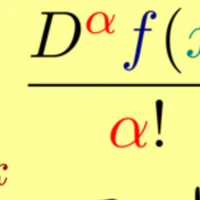
Temporal Feature Matters: A Framework for Diffusion Model Quantization
The Diffusion models, widely used for image generation, face significant challenges related to their broad applicability due to prolonged inference times and high memory demands. Efficient Post-Training Quantization (PTQ) is crucial to address these issues. However, unlike traditional models, diffusion models critically rely on the time-step for the multi-round denoising. Typically, each time-step is encoded into a hypersensitive temporal feature by several modules. Despite this, existing PTQ methods do not optimize these modules individually. Instead, they employ unsuitable reconstruction objectives and complex calibration methods, leading to significant disturbances in the temporal feature and denoising trajectory, as well as reduced compression efficiency. To address these challenges, we introduce a novel quantization framework that includes three strategies: 1) TIB-based Maintenance: Based on our innovative Temporal Information Block (TIB) definition, Temporal Information-aware Reconstruction (TIAR) and Finite Set Calibration (FSC) are developed to efficiently align original temporal features. 2) Cache-based Maintenance: Instead of indirect and complex optimization for the related modules, pre-computing and caching quantized counterparts of temporal features are developed to minimize errors. 3) Disturbance-aware Selection: Employ temporal feature errors to guide a fine-grained selection between the two maintenance strategies for further disturbance reduction. This framework preserves most of the temporal information and ensures high-quality end-to-end generation. Extensive testing on various datasets, diffusion models and hardware confirms our superior performance and acceleration..
Self-Forcing++: Towards Minute-Scale High-Quality Video Generation
Diffusion models have revolutionized image and video generation, achieving unprecedented visual quality. However, their reliance on transformer architectures incurs prohibitively high computational costs, particularly when extending generation to long videos. Recent work has explored autoregressive formulations for long video generation, typically by distilling from short-horizon bidirectional teachers. Nevertheless, given that teacher models cannot synthesize long videos, the extrapolation of student models beyond their training horizon often leads to pronounced quality degradation, arising from the compounding of errors within the continuous latent space. In this paper, we propose a simple yet effective approach to mitigate quality degradation in long-horizon video generation without requiring supervision from long-video teachers or retraining on long video datasets. Our approach centers on exploiting the rich knowledge of teacher models to provide guidance for the student model through sampled segments drawn from self-generated long videos. Our method maintains temporal consistency while scaling video length by up to 20x beyond teacher's capability, avoiding common issues such as over-exposure and error-accumulation without recomputing overlapping frames like previous methods. When scaling up the computation, our method shows the capability of generating videos up to 4 minutes and 15 seconds, equivalent to 99.9% of the maximum span supported by our base model's position embedding and more than 50x longer than that of our baseline model. Experiments on standard benchmarks and our proposed improved benchmark demonstrate that our approach substantially outperforms baseline methods in both fidelity and consistency. Our long-horizon videos demo can be found at https://self-forcing-plus-plus.github.io/

Towards Predicting Temporal Changes in a Patient's Chest X-ray Images based on Electronic Health Records
Chest X-ray imaging (CXR) is an important diagnostic tool used in hospitals to assess patient conditions and monitor changes over time. Generative models, specifically diffusion-based models, have shown promise in generating realistic synthetic X-rays. However, these models mainly focus on conditional generation using single-time-point data, i.e., typically CXRs taken at a specific time with their corresponding reports, limiting their clinical utility, particularly for capturing temporal changes. To address this limitation, we propose a novel framework, EHRXDiff, which predicts future CXR images by integrating previous CXRs with subsequent medical events, e.g., prescriptions, lab measures, etc. Our framework dynamically tracks and predicts disease progression based on a latent diffusion model, conditioned on the previous CXR image and a history of medical events. We comprehensively evaluate the performance of our framework across three key aspects, including clinical consistency, demographic consistency, and visual realism. We demonstrate that our framework generates high-quality, realistic future images that capture potential temporal changes, suggesting its potential for further development as a clinical simulation tool. This could offer valuable insights for patient monitoring and treatment planning in the medical field.


High Quality Human Image Animation using Regional Supervision and Motion Blur Condition
Recent advances in video diffusion models have enabled realistic and controllable human image animation with temporal coherence. Although generating reasonable results, existing methods often overlook the need for regional supervision in crucial areas such as the face and hands, and neglect the explicit modeling for motion blur, leading to unrealistic low-quality synthesis. To address these limitations, we first leverage regional supervision for detailed regions to enhance face and hand faithfulness. Second, we model the motion blur explicitly to further improve the appearance quality. Third, we explore novel training strategies for high-resolution human animation to improve the overall fidelity. Experimental results demonstrate that our proposed method outperforms state-of-the-art approaches, achieving significant improvements upon the strongest baseline by more than 21.0% and 57.4% in terms of reconstruction precision (L1) and perceptual quality (FVD) on HumanDance dataset. Code and model will be made available.

Assessor360: Multi-sequence Network for Blind Omnidirectional Image Quality Assessment
Blind Omnidirectional Image Quality Assessment (BOIQA) aims to objectively assess the human perceptual quality of omnidirectional images (ODIs) without relying on pristine-quality image information. It is becoming more significant with the increasing advancement of virtual reality (VR) technology. However, the quality assessment of ODIs is severely hampered by the fact that the existing BOIQA pipeline lacks the modeling of the observer's browsing process. To tackle this issue, we propose a novel multi-sequence network for BOIQA called Assessor360, which is derived from the realistic multi-assessor ODI quality assessment procedure. Specifically, we propose a generalized Recursive Probability Sampling (RPS) method for the BOIQA task, combining content and details information to generate multiple pseudo-viewport sequences from a given starting point. Additionally, we design a Multi-scale Feature Aggregation (MFA) module with a Distortion-aware Block (DAB) to fuse distorted and semantic features of each viewport. We also devise Temporal Modeling Module (TMM) to learn the viewport transition in the temporal domain. Extensive experimental results demonstrate that Assessor360 outperforms state-of-the-art methods on multiple OIQA datasets. The code and models are available at https://github.com/TianheWu/Assessor360.

Datasets and Recipes for Video Temporal Grounding via Reinforcement Learning
Video Temporal Grounding (VTG) aims to localize relevant temporal segments in videos given natural language queries. Despite recent progress with large vision-language models (LVLMs) and instruction-tuning, existing approaches often suffer from limited temporal awareness and poor generalization. In this work, we introduce a two-stage training framework that integrates supervised fine-tuning with reinforcement learning (RL) to improve both the accuracy and robustness of VTG models. Our approach first leverages high-quality curated cold start data for SFT initialization, followed by difficulty-controlled RL to further enhance temporal localization and reasoning abilities. Comprehensive experiments on multiple VTG benchmarks demonstrate that our method consistently outperforms existing models, particularly in challenging and open-domain scenarios. We conduct an in-depth analysis of training strategies and dataset curation, highlighting the importance of both high-quality cold start data and difficulty-controlled RL. To facilitate further research and industrial adoption, we release all intermediate datasets, models, and code to the community.
RTime-QA: A Benchmark for Atomic Temporal Event Understanding in Large Multi-modal Models
Understanding accurate atomic temporal event is essential for video comprehension. However, current video-language benchmarks often fall short to evaluate Large Multi-modal Models' (LMMs) temporal event understanding capabilities, as they can be effectively addressed using image-language models. In this paper, we introduce RTime-QA, a novel benchmark specifically designed to assess the atomic temporal event understanding ability of LMMs. RTime-QA comprises 822 high-quality, carefully-curated video-text questions, each meticulously annotated by human experts. Each question features a video depicting an atomic temporal event, paired with both correct answers and temporal negative descriptions, specifically designed to evaluate temporal understanding. To advance LMMs' temporal event understanding ability, we further introduce RTime-IT, a 14k instruction-tuning dataset that employs a similar annotation process as RTime-QA. Extensive experimental analysis demonstrates that RTime-QA presents a significant challenge for LMMs: the state-of-the-art model Qwen2-VL achieves only 34.6 on strict-ACC metric, substantially lagging behind human performance. Furthermore, our experiments reveal that RTime-IT effectively enhance LMMs' capacity in temporal understanding. By fine-tuning on RTime-IT, our Qwen2-VL achieves 65.9 on RTime-QA.
TIDE : Temporal-Aware Sparse Autoencoders for Interpretable Diffusion Transformers in Image Generation
Diffusion Transformers (DiTs) are a powerful yet underexplored class of generative models compared to U-Net-based diffusion architectures. We propose TIDE-Temporal-aware sparse autoencoders for Interpretable Diffusion transformErs-a framework designed to extract sparse, interpretable activation features across timesteps in DiTs. TIDE effectively captures temporally-varying representations and reveals that DiTs naturally learn hierarchical semantics (e.g., 3D structure, object class, and fine-grained concepts) during large-scale pretraining. Experiments show that TIDE enhances interpretability and controllability while maintaining reasonable generation quality, enabling applications such as safe image editing and style transfer.

Content-Rich AIGC Video Quality Assessment via Intricate Text Alignment and Motion-Aware Consistency
The advent of next-generation video generation models like Sora poses challenges for AI-generated content (AIGC) video quality assessment (VQA). These models substantially mitigate flickering artifacts prevalent in prior models, enable longer and complex text prompts and generate longer videos with intricate, diverse motion patterns. Conventional VQA methods designed for simple text and basic motion patterns struggle to evaluate these content-rich videos. To this end, we propose CRAVE (Content-Rich AIGC Video Evaluator), specifically for the evaluation of Sora-era AIGC videos. CRAVE proposes the multi-granularity text-temporal fusion that aligns long-form complex textual semantics with video dynamics. Additionally, CRAVE leverages the hybrid motion-fidelity modeling to assess temporal artifacts. Furthermore, given the straightforward prompts and content in current AIGC VQA datasets, we introduce CRAVE-DB, a benchmark featuring content-rich videos from next-generation models paired with elaborate prompts. Extensive experiments have shown that the proposed CRAVE achieves excellent results on multiple AIGC VQA benchmarks, demonstrating a high degree of alignment with human perception. All data and code will be publicly available at https://github.com/littlespray/CRAVE.
CMTA: Cross-Modal Temporal Alignment for Event-guided Video Deblurring
Video deblurring aims to enhance the quality of restored results in motion-blurred videos by effectively gathering information from adjacent video frames to compensate for the insufficient data in a single blurred frame. However, when faced with consecutively severe motion blur situations, frame-based video deblurring methods often fail to find accurate temporal correspondence among neighboring video frames, leading to diminished performance. To address this limitation, we aim to solve the video deblurring task by leveraging an event camera with micro-second temporal resolution. To fully exploit the dense temporal resolution of the event camera, we propose two modules: 1) Intra-frame feature enhancement operates within the exposure time of a single blurred frame, iteratively enhancing cross-modality features in a recurrent manner to better utilize the rich temporal information of events, 2) Inter-frame temporal feature alignment gathers valuable long-range temporal information to target frames, aggregating sharp features leveraging the advantages of the events. In addition, we present a novel dataset composed of real-world blurred RGB videos, corresponding sharp videos, and event data. This dataset serves as a valuable resource for evaluating event-guided deblurring methods. We demonstrate that our proposed methods outperform state-of-the-art frame-based and event-based motion deblurring methods through extensive experiments conducted on both synthetic and real-world deblurring datasets. The code and dataset are available at https://github.com/intelpro/CMTA.
FUSU: A Multi-temporal-source Land Use Change Segmentation Dataset for Fine-grained Urban Semantic Understanding
Fine urban change segmentation using multi-temporal remote sensing images is essential for understanding human-environment interactions in urban areas. Although there have been advances in high-quality land cover datasets that reveal the physical features of urban landscapes, the lack of fine-grained land use datasets hinders a deeper understanding of how human activities are distributed across the landscape and the impact of these activities on the environment, thus constraining proper technique development. To address this, we introduce FUSU, the first fine-grained land use change segmentation dataset for Fine-grained Urban Semantic Understanding. FUSU features the most detailed land use classification system to date, with 17 classes and 30 billion pixels of annotations. It includes bi-temporal high-resolution satellite images with 0.2-0.5 m ground sample distance and monthly optical and radar satellite time series, covering 847 km^2 across five urban areas in the southern and northern of China with different geographical features. The fine-grained land use pixel-wise annotations and high spatial-temporal resolution data provide a robust foundation for developing proper deep learning models to provide contextual insights on human activities and urbanization. To fully leverage FUSU, we propose a unified time-series architecture for both change detection and segmentation. We benchmark FUSU on various methods for several tasks. Dataset and code are available at: https://github.com/yuanshuai0914/FUSU.
Weather2K: A Multivariate Spatio-Temporal Benchmark Dataset for Meteorological Forecasting Based on Real-Time Observation Data from Ground Weather Stations
Weather forecasting is one of the cornerstones of meteorological work. In this paper, we present a new benchmark dataset named Weather2K, which aims to make up for the deficiencies of existing weather forecasting datasets in terms of real-time, reliability, and diversity, as well as the key bottleneck of data quality. To be specific, our Weather2K is featured from the following aspects: 1) Reliable and real-time data. The data is hourly collected from 2,130 ground weather stations covering an area of 6 million square kilometers. 2) Multivariate meteorological variables. 20 meteorological factors and 3 constants for position information are provided with a length of 40,896 time steps. 3) Applicable to diverse tasks. We conduct a set of baseline tests on time series forecasting and spatio-temporal forecasting. To the best of our knowledge, our Weather2K is the first attempt to tackle weather forecasting task by taking full advantage of the strengths of observation data from ground weather stations. Based on Weather2K, we further propose Meteorological Factors based Multi-Graph Convolution Network (MFMGCN), which can effectively construct the intrinsic correlation among geographic locations based on meteorological factors. Sufficient experiments show that MFMGCN improves both the forecasting performance and temporal robustness. We hope our Weather2K can significantly motivate researchers to develop efficient and accurate algorithms to advance the task of weather forecasting. The dataset can be available at https://github.com/bycnfz/weather2k/.
PhysiQ: Off-site Quality Assessment of Exercise in Physical Therapy
Physical therapy (PT) is crucial for patients to restore and maintain mobility, function, and well-being. Many on-site activities and body exercises are performed under the supervision of therapists or clinicians. However, the postures of some exercises at home cannot be performed accurately due to the lack of supervision, quality assessment, and self-correction. Therefore, in this paper, we design a new framework, PhysiQ, that continuously tracks and quantitatively measures people's off-site exercise activity through passive sensory detection. In the framework, we create a novel multi-task spatio-temporal Siamese Neural Network that measures the absolute quality through classification and relative quality based on an individual's PT progress through similarity comparison. PhysiQ digitizes and evaluates exercises in three different metrics: range of motions, stability, and repetition.
VideoRefer Suite: Advancing Spatial-Temporal Object Understanding with Video LLM
Video Large Language Models (Video LLMs) have recently exhibited remarkable capabilities in general video understanding. However, they mainly focus on holistic comprehension and struggle with capturing fine-grained spatial and temporal details. Besides, the lack of high-quality object-level video instruction data and a comprehensive benchmark further hinders their advancements. To tackle these challenges, we introduce the VideoRefer Suite to empower Video LLM for finer-level spatial-temporal video understanding, i.e., enabling perception and reasoning on any objects throughout the video. Specially, we thoroughly develop VideoRefer Suite across three essential aspects: dataset, model, and benchmark. Firstly, we introduce a multi-agent data engine to meticulously curate a large-scale, high-quality object-level video instruction dataset, termed VideoRefer-700K. Next, we present the VideoRefer model, which equips a versatile spatial-temporal object encoder to capture precise regional and sequential representations. Finally, we meticulously create a VideoRefer-Bench to comprehensively assess the spatial-temporal understanding capability of a Video LLM, evaluating it across various aspects. Extensive experiments and analyses demonstrate that our VideoRefer model not only achieves promising performance on video referring benchmarks but also facilitates general video understanding capabilities.





LAVIE: High-Quality Video Generation with Cascaded Latent Diffusion Models
This work aims to learn a high-quality text-to-video (T2V) generative model by leveraging a pre-trained text-to-image (T2I) model as a basis. It is a highly desirable yet challenging task to simultaneously a) accomplish the synthesis of visually realistic and temporally coherent videos while b) preserving the strong creative generation nature of the pre-trained T2I model. To this end, we propose LaVie, an integrated video generation framework that operates on cascaded video latent diffusion models, comprising a base T2V model, a temporal interpolation model, and a video super-resolution model. Our key insights are two-fold: 1) We reveal that the incorporation of simple temporal self-attentions, coupled with rotary positional encoding, adequately captures the temporal correlations inherent in video data. 2) Additionally, we validate that the process of joint image-video fine-tuning plays a pivotal role in producing high-quality and creative outcomes. To enhance the performance of LaVie, we contribute a comprehensive and diverse video dataset named Vimeo25M, consisting of 25 million text-video pairs that prioritize quality, diversity, and aesthetic appeal. Extensive experiments demonstrate that LaVie achieves state-of-the-art performance both quantitatively and qualitatively. Furthermore, we showcase the versatility of pre-trained LaVie models in various long video generation and personalized video synthesis applications.





DreamDiffusion: Generating High-Quality Images from Brain EEG Signals
This paper introduces DreamDiffusion, a novel method for generating high-quality images directly from brain electroencephalogram (EEG) signals, without the need to translate thoughts into text. DreamDiffusion leverages pre-trained text-to-image models and employs temporal masked signal modeling to pre-train the EEG encoder for effective and robust EEG representations. Additionally, the method further leverages the CLIP image encoder to provide extra supervision to better align EEG, text, and image embeddings with limited EEG-image pairs. Overall, the proposed method overcomes the challenges of using EEG signals for image generation, such as noise, limited information, and individual differences, and achieves promising results. Quantitative and qualitative results demonstrate the effectiveness of the proposed method as a significant step towards portable and low-cost ``thoughts-to-image'', with potential applications in neuroscience and computer vision.



LiteAttention: A Temporal Sparse Attention for Diffusion Transformers
Diffusion Transformers, particularly for video generation, achieve remarkable quality but suffer from quadratic attention complexity, leading to prohibitive latency. Existing acceleration methods face a fundamental trade-off: dynamically estimating sparse attention patterns at each denoising step incurs high computational overhead and estimation errors, while static sparsity patterns remain fixed and often suboptimal throughout denoising. We identify a key structural property of diffusion attention, namely, its sparsity patterns exhibit strong temporal coherence across denoising steps. Tiles deemed non-essential at step t typically remain so at step t+δ. Leveraging this observation, we introduce LiteAttention, a method that exploits temporal coherence to enable evolutionary computation skips across the denoising sequence. By marking non-essential tiles early and propagating skip decisions forward, LiteAttention eliminates redundant attention computations without repeated profiling overheads, combining the adaptivity of dynamic methods with the efficiency of static ones. We implement a highly optimized LiteAttention kernel on top of FlashAttention and demonstrate substantial speedups on production video diffusion models, with no degradation in quality. The code and implementation details will be publicly released.

VideoElevator: Elevating Video Generation Quality with Versatile Text-to-Image Diffusion Models
Text-to-image diffusion models (T2I) have demonstrated unprecedented capabilities in creating realistic and aesthetic images. On the contrary, text-to-video diffusion models (T2V) still lag far behind in frame quality and text alignment, owing to insufficient quality and quantity of training videos. In this paper, we introduce VideoElevator, a training-free and plug-and-play method, which elevates the performance of T2V using superior capabilities of T2I. Different from conventional T2V sampling (i.e., temporal and spatial modeling), VideoElevator explicitly decomposes each sampling step into temporal motion refining and spatial quality elevating. Specifically, temporal motion refining uses encapsulated T2V to enhance temporal consistency, followed by inverting to the noise distribution required by T2I. Then, spatial quality elevating harnesses inflated T2I to directly predict less noisy latent, adding more photo-realistic details. We have conducted experiments in extensive prompts under the combination of various T2V and T2I. The results show that VideoElevator not only improves the performance of T2V baselines with foundational T2I, but also facilitates stylistic video synthesis with personalized T2I. Our code is available at https://github.com/YBYBZhang/VideoElevator.



LeetCodeDataset: A Temporal Dataset for Robust Evaluation and Efficient Training of Code LLMs
We introduce LeetCodeDataset, a high-quality benchmark for evaluating and training code-generation models, addressing two key challenges in LLM research: the lack of reasoning-focused coding benchmarks and self-contained training testbeds. By curating LeetCode Python problems with rich metadata, broad coverage, 100+ test cases per problem, and temporal splits (pre/post July 2024), our dataset enables contamination-free evaluation and efficient supervised fine-tuning (SFT). Experiments show reasoning models significantly outperform non-reasoning counterparts, while SFT with only 2.6K model-generated solutions achieves performance comparable to 110K-sample counterparts. The dataset and evaluation framework are available on Hugging Face and Github.



TAPTRv3: Spatial and Temporal Context Foster Robust Tracking of Any Point in Long Video
In this paper, we present TAPTRv3, which is built upon TAPTRv2 to improve its point tracking robustness in long videos. TAPTRv2 is a simple DETR-like framework that can accurately track any point in real-world videos without requiring cost-volume. TAPTRv3 improves TAPTRv2 by addressing its shortage in querying high quality features from long videos, where the target tracking points normally undergo increasing variation over time. In TAPTRv3, we propose to utilize both spatial and temporal context to bring better feature querying along the spatial and temporal dimensions for more robust tracking in long videos. For better spatial feature querying, we present Context-aware Cross-Attention (CCA), which leverages surrounding spatial context to enhance the quality of attention scores when querying image features. For better temporal feature querying, we introduce Visibility-aware Long-Temporal Attention (VLTA) to conduct temporal attention to all past frames while considering their corresponding visibilities, which effectively addresses the feature drifting problem in TAPTRv2 brought by its RNN-like long-temporal modeling. TAPTRv3 surpasses TAPTRv2 by a large margin on most of the challenging datasets and obtains state-of-the-art performance. Even when compared with methods trained with large-scale extra internal data, TAPTRv3 is still competitive.



ShapeGen4D: Towards High Quality 4D Shape Generation from Videos
Video-conditioned 4D shape generation aims to recover time-varying 3D geometry and view-consistent appearance directly from an input video. In this work, we introduce a native video-to-4D shape generation framework that synthesizes a single dynamic 3D representation end-to-end from the video. Our framework introduces three key components based on large-scale pre-trained 3D models: (i) a temporal attention that conditions generation on all frames while producing a time-indexed dynamic representation; (ii) a time-aware point sampling and 4D latent anchoring that promote temporally consistent geometry and texture; and (iii) noise sharing across frames to enhance temporal stability. Our method accurately captures non-rigid motion, volume changes, and even topological transitions without per-frame optimization. Across diverse in-the-wild videos, our method improves robustness and perceptual fidelity and reduces failure modes compared with the baselines.

MoDec-GS: Global-to-Local Motion Decomposition and Temporal Interval Adjustment for Compact Dynamic 3D Gaussian Splatting
3D Gaussian Splatting (3DGS) has made significant strides in scene representation and neural rendering, with intense efforts focused on adapting it for dynamic scenes. Despite delivering remarkable rendering quality and speed, existing methods struggle with storage demands and representing complex real-world motions. To tackle these issues, we propose MoDecGS, a memory-efficient Gaussian splatting framework designed for reconstructing novel views in challenging scenarios with complex motions. We introduce GlobaltoLocal Motion Decomposition (GLMD) to effectively capture dynamic motions in a coarsetofine manner. This approach leverages Global Canonical Scaffolds (Global CS) and Local Canonical Scaffolds (Local CS), extending static Scaffold representation to dynamic video reconstruction. For Global CS, we propose Global Anchor Deformation (GAD) to efficiently represent global dynamics along complex motions, by directly deforming the implicit Scaffold attributes which are anchor position, offset, and local context features. Next, we finely adjust local motions via the Local Gaussian Deformation (LGD) of Local CS explicitly. Additionally, we introduce Temporal Interval Adjustment (TIA) to automatically control the temporal coverage of each Local CS during training, allowing MoDecGS to find optimal interval assignments based on the specified number of temporal segments. Extensive evaluations demonstrate that MoDecGS achieves an average 70% reduction in model size over stateoftheart methods for dynamic 3D Gaussians from realworld dynamic videos while maintaining or even improving rendering quality.



FRESCO: Spatial-Temporal Correspondence for Zero-Shot Video Translation
The remarkable efficacy of text-to-image diffusion models has motivated extensive exploration of their potential application in video domains. Zero-shot methods seek to extend image diffusion models to videos without necessitating model training. Recent methods mainly focus on incorporating inter-frame correspondence into attention mechanisms. However, the soft constraint imposed on determining where to attend to valid features can sometimes be insufficient, resulting in temporal inconsistency. In this paper, we introduce FRESCO, intra-frame correspondence alongside inter-frame correspondence to establish a more robust spatial-temporal constraint. This enhancement ensures a more consistent transformation of semantically similar content across frames. Beyond mere attention guidance, our approach involves an explicit update of features to achieve high spatial-temporal consistency with the input video, significantly improving the visual coherence of the resulting translated videos. Extensive experiments demonstrate the effectiveness of our proposed framework in producing high-quality, coherent videos, marking a notable improvement over existing zero-shot methods.



DateLogicQA: Benchmarking Temporal Biases in Large Language Models
This paper introduces DateLogicQA, a benchmark with 190 questions covering diverse date formats, temporal contexts, and reasoning types. We propose the Semantic Integrity Metric to assess tokenization quality and analyse two biases: Representation-Level Bias, affecting embeddings, and Logical-Level Bias, influencing reasoning outputs. Our findings provide a comprehensive evaluation of LLMs' capabilities and limitations in temporal reasoning, highlighting key challenges in handling temporal data accurately. The GitHub repository for our work is available at https://github.com/gagan3012/EAIS-Temporal-Bias

Hierarchical NeuroSymbolic Approach for Action Quality Assessment
Action quality assessment (AQA) applies computer vision to quantitatively assess the performance or execution of a human action. Current AQA approaches are end-to-end neural models, which lack transparency and tend to be biased because they are trained on subjective human judgements as ground-truth. To address these issues, we introduce a neuro-symbolic paradigm for AQA, which uses neural networks to abstract interpretable symbols from video data and makes quality assessments by applying rules to those symbols. We take diving as the case study. We found that domain experts prefer our system and find it more informative than purely neural approaches to AQA in diving. Our system also achieves state-of-the-art action recognition and temporal segmentation, and automatically generates a detailed report that breaks the dive down into its elements and provides objective scoring with visual evidence. As verified by a group of domain experts, this report may be used to assist judges in scoring, help train judges, and provide feedback to divers. We will open-source all of our annotated training data and code for ease of reproducibility.
Tackling Incomplete Data in Air Quality Prediction: A Bayesian Deep Learning Framework for Uncertainty Quantification
Accurate air quality forecasts are vital for public health alerts, exposure assessment, and emissions control. In practice, observational data are often missing in varying proportions and patterns due to collection and transmission issues. These incomplete spatiotemporal records impede reliable inference and risk assessment and can lead to overconfident extrapolation. To address these challenges, we propose an end to end framework, the channel gated learning unit based spatiotemporal bayesian neural field (CGLUBNF). It uses Fourier features with a graph attention encoder to capture multiscale spatial dependencies and seasonal temporal dynamics. A channel gated learning unit, equipped with learnable activations and gated residual connections, adaptively filters and amplifies informative features. Bayesian inference jointly optimizes predictive distributions and parameter uncertainty, producing point estimates and calibrated prediction intervals. We conduct a systematic evaluation on two real world datasets, covering four typical missing data patterns and comparing against five state of the art baselines. CGLUBNF achieves superior prediction accuracy and sharper confidence intervals. In addition, we further validate robustness across multiple prediction horizons and analysis the contribution of extraneous variables. This research lays a foundation for reliable deep learning based spatio-temporal forecasting with incomplete observations in emerging sensing paradigms, such as real world vehicle borne mobile monitoring.
MVTokenFlow: High-quality 4D Content Generation using Multiview Token Flow
In this paper, we present MVTokenFlow for high-quality 4D content creation from monocular videos. Recent advancements in generative models such as video diffusion models and multiview diffusion models enable us to create videos or 3D models. However, extending these generative models for dynamic 4D content creation is still a challenging task that requires the generated content to be consistent spatially and temporally. To address this challenge, MVTokenFlow utilizes the multiview diffusion model to generate multiview images on different timesteps, which attains spatial consistency across different viewpoints and allows us to reconstruct a reasonable coarse 4D field. Then, MVTokenFlow further regenerates all the multiview images using the rendered 2D flows as guidance. The 2D flows effectively associate pixels from different timesteps and improve the temporal consistency by reusing tokens in the regeneration process. Finally, the regenerated images are spatiotemporally consistent and utilized to refine the coarse 4D field to get a high-quality 4D field. Experiments demonstrate the effectiveness of our design and show significantly improved quality than baseline methods.

Enhancing Low-Cost Video Editing with Lightweight Adaptors and Temporal-Aware Inversion
Recent advancements in text-to-image (T2I) generation using diffusion models have enabled cost-effective video-editing applications by leveraging pre-trained models, eliminating the need for resource-intensive training. However, the frame-independence of T2I generation often results in poor temporal consistency. Existing methods address this issue through temporal layer fine-tuning or inference-based temporal propagation, but these approaches suffer from high training costs or limited temporal coherence. To address these challenges, we propose a General and Efficient Adapter (GE-Adapter) that integrates temporal-spatial and semantic consistency with Baliteral DDIM inversion. This framework introduces three key components: (1) Frame-based Temporal Consistency Blocks (FTC Blocks) to capture frame-specific features and enforce smooth inter-frame transitions via temporally-aware loss functions; (2) Channel-dependent Spatial Consistency Blocks (SCD Blocks) employing bilateral filters to enhance spatial coherence by reducing noise and artifacts; and (3) Token-based Semantic Consistency Module (TSC Module) to maintain semantic alignment using shared prompt tokens and frame-specific tokens. Our method significantly improves perceptual quality, text-image alignment, and temporal coherence, as demonstrated on the MSR-VTT dataset. Additionally, it achieves enhanced fidelity and frame-to-frame coherence, offering a practical solution for T2V editing.
Highly Detailed and Temporal Consistent Video Stylization via Synchronized Multi-Frame Diffusion
Text-guided video-to-video stylization transforms the visual appearance of a source video to a different appearance guided on textual prompts. Existing text-guided image diffusion models can be extended for stylized video synthesis. However, they struggle to generate videos with both highly detailed appearance and temporal consistency. In this paper, we propose a synchronized multi-frame diffusion framework to maintain both the visual details and the temporal consistency. Frames are denoised in a synchronous fashion, and more importantly, information of different frames is shared since the beginning of the denoising process. Such information sharing ensures that a consensus, in terms of the overall structure and color distribution, among frames can be reached in the early stage of the denoising process before it is too late. The optical flow from the original video serves as the connection, and hence the venue for information sharing, among frames. We demonstrate the effectiveness of our method in generating high-quality and diverse results in extensive experiments. Our method shows superior qualitative and quantitative results compared to state-of-the-art video editing methods.

TAPIR: Tracking Any Point with per-frame Initialization and temporal Refinement
We present a novel model for Tracking Any Point (TAP) that effectively tracks any queried point on any physical surface throughout a video sequence. Our approach employs two stages: (1) a matching stage, which independently locates a suitable candidate point match for the query point on every other frame, and (2) a refinement stage, which updates both the trajectory and query features based on local correlations. The resulting model surpasses all baseline methods by a significant margin on the TAP-Vid benchmark, as demonstrated by an approximate 20% absolute average Jaccard (AJ) improvement on DAVIS. Our model facilitates fast inference on long and high-resolution video sequences. On a modern GPU, our implementation has the capacity to track points faster than real-time, and can be flexibly extended to higher-resolution videos. Given the high-quality trajectories extracted from a large dataset, we demonstrate a proof-of-concept diffusion model which generates trajectories from static images, enabling plausible animations. Visualizations, source code, and pretrained models can be found on our project webpage.
Temporal Interpolation Is All You Need for Dynamic Neural Radiance Fields
Temporal interpolation often plays a crucial role to learn meaningful representations in dynamic scenes. In this paper, we propose a novel method to train spatiotemporal neural radiance fields of dynamic scenes based on temporal interpolation of feature vectors. Two feature interpolation methods are suggested depending on underlying representations, neural networks or grids. In the neural representation, we extract features from space-time inputs via multiple neural network modules and interpolate them based on time frames. The proposed multi-level feature interpolation network effectively captures features of both short-term and long-term time ranges. In the grid representation, space-time features are learned via four-dimensional hash grids, which remarkably reduces training time. The grid representation shows more than 100 times faster training speed than the previous neural-net-based methods while maintaining the rendering quality. Concatenating static and dynamic features and adding a simple smoothness term further improve the performance of our proposed models. Despite the simplicity of the model architectures, our method achieved state-of-the-art performance both in rendering quality for the neural representation and in training speed for the grid representation.
ReAct: Temporal Action Detection with Relational Queries
This work aims at advancing temporal action detection (TAD) using an encoder-decoder framework with action queries, similar to DETR, which has shown great success in object detection. However, the framework suffers from several problems if directly applied to TAD: the insufficient exploration of inter-query relation in the decoder, the inadequate classification training due to a limited number of training samples, and the unreliable classification scores at inference. To this end, we first propose a relational attention mechanism in the decoder, which guides the attention among queries based on their relations. Moreover, we propose two losses to facilitate and stabilize the training of action classification. Lastly, we propose to predict the localization quality of each action query at inference in order to distinguish high-quality queries. The proposed method, named ReAct, achieves the state-of-the-art performance on THUMOS14, with much lower computational costs than previous methods. Besides, extensive ablation studies are conducted to verify the effectiveness of each proposed component. The code is available at https://github.com/sssste/React.
Spatio-Temporal Lattice Planning Using Optimal Motion Primitives
Lattice-based planning techniques simplify the motion planning problem for autonomous vehicles by limiting available motions to a pre-computed set of primitives. These primitives are then combined online to generate more complex maneuvers. A set of motion primitives t-span a lattice if, given a real number t at least 1, any configuration in the lattice can be reached via a sequence of motion primitives whose cost is no more than a factor of t from optimal. Computing a minimal t-spanning set balances a trade-off between computed motion quality and motion planning performance. In this work, we formulate this problem for an arbitrary lattice as a mixed integer linear program. We also propose an A*-based algorithm to solve the motion planning problem using these primitives. Finally, we present an algorithm that removes the excessive oscillations from planned motions -- a common problem in lattice-based planning. Our method is validated for autonomous driving in both parking lot and highway scenarios.


iSeeBetter: Spatio-temporal video super-resolution using recurrent generative back-projection networks
Recently, learning-based models have enhanced the performance of single-image super-resolution (SISR). However, applying SISR successively to each video frame leads to a lack of temporal coherency. Convolutional neural networks (CNNs) outperform traditional approaches in terms of image quality metrics such as peak signal to noise ratio (PSNR) and structural similarity (SSIM). However, generative adversarial networks (GANs) offer a competitive advantage by being able to mitigate the issue of a lack of finer texture details, usually seen with CNNs when super-resolving at large upscaling factors. We present iSeeBetter, a novel GAN-based spatio-temporal approach to video super-resolution (VSR) that renders temporally consistent super-resolution videos. iSeeBetter extracts spatial and temporal information from the current and neighboring frames using the concept of recurrent back-projection networks as its generator. Furthermore, to improve the "naturality" of the super-resolved image while eliminating artifacts seen with traditional algorithms, we utilize the discriminator from super-resolution generative adversarial network (SRGAN). Although mean squared error (MSE) as a primary loss-minimization objective improves PSNR/SSIM, these metrics may not capture fine details in the image resulting in misrepresentation of perceptual quality. To address this, we use a four-fold (MSE, perceptual, adversarial, and total-variation (TV)) loss function. Our results demonstrate that iSeeBetter offers superior VSR fidelity and surpasses state-of-the-art performance.

Temporal Alignment Guidance: On-Manifold Sampling in Diffusion Models
Diffusion models have achieved remarkable success as generative models. However, even a well-trained model can accumulate errors throughout the generation process. These errors become particularly problematic when arbitrary guidance is applied to steer samples toward desired properties, which often breaks sample fidelity. In this paper, we propose a general solution to address the off-manifold phenomenon observed in diffusion models. Our approach leverages a time predictor to estimate deviations from the desired data manifold at each timestep, identifying that a larger time gap is associated with reduced generation quality. We then design a novel guidance mechanism, `Temporal Alignment Guidance' (TAG), attracting the samples back to the desired manifold at every timestep during generation. Through extensive experiments, we demonstrate that TAG consistently produces samples closely aligned with the desired manifold at each timestep, leading to significant improvements in generation quality across various downstream tasks.

STAR-Bench: Probing Deep Spatio-Temporal Reasoning as Audio 4D Intelligence
Despite rapid progress in Multi-modal Large Language Models and Large Audio-Language Models, existing audio benchmarks largely test semantics that can be recovered from text captions, masking deficits in fine-grained perceptual reasoning. We formalize audio 4D intelligence that is defined as reasoning over sound dynamics in time and 3D space, and introduce STAR-Bench to measure it. STAR-Bench combines a Foundational Acoustic Perception setting (six attributes under absolute and relative regimes) with a Holistic Spatio-Temporal Reasoning setting that includes segment reordering for continuous and discrete processes and spatial tasks spanning static localization, multi-source relations, and dynamic trajectories. Our data curation pipeline uses two methods to ensure high-quality samples. For foundational tasks, we use procedurally synthesized and physics-simulated audio. For holistic data, we follow a four-stage process that includes human annotation and final selection based on human performance. Unlike prior benchmarks where caption-only answering reduces accuracy slightly, STAR-Bench induces far larger drops (-31.5\% temporal, -35.2\% spatial), evidencing its focus on linguistically hard-to-describe cues. Evaluating 19 models reveals substantial gaps compared with humans and a capability hierarchy: closed-source models are bottlenecked by fine-grained perception, while open-source models lag across perception, knowledge, and reasoning. Our STAR-Bench provides critical insights and a clear path forward for developing future models with a more robust understanding of the physical world.

VideoCrafter2: Overcoming Data Limitations for High-Quality Video Diffusion Models
Text-to-video generation aims to produce a video based on a given prompt. Recently, several commercial video models have been able to generate plausible videos with minimal noise, excellent details, and high aesthetic scores. However, these models rely on large-scale, well-filtered, high-quality videos that are not accessible to the community. Many existing research works, which train models using the low-quality WebVid-10M dataset, struggle to generate high-quality videos because the models are optimized to fit WebVid-10M. In this work, we explore the training scheme of video models extended from Stable Diffusion and investigate the feasibility of leveraging low-quality videos and synthesized high-quality images to obtain a high-quality video model. We first analyze the connection between the spatial and temporal modules of video models and the distribution shift to low-quality videos. We observe that full training of all modules results in a stronger coupling between spatial and temporal modules than only training temporal modules. Based on this stronger coupling, we shift the distribution to higher quality without motion degradation by finetuning spatial modules with high-quality images, resulting in a generic high-quality video model. Evaluations are conducted to demonstrate the superiority of the proposed method, particularly in picture quality, motion, and concept composition.



Hyperstroke: A Novel High-quality Stroke Representation for Assistive Artistic Drawing
Assistive drawing aims to facilitate the creative process by providing intelligent guidance to artists. Existing solutions often fail to effectively model intricate stroke details or adequately address the temporal aspects of drawing. We introduce hyperstroke, a novel stroke representation designed to capture precise fine stroke details, including RGB appearance and alpha-channel opacity. Using a Vector Quantization approach, hyperstroke learns compact tokenized representations of strokes from real-life drawing videos of artistic drawing. With hyperstroke, we propose to model assistive drawing via a transformer-based architecture, to enable intuitive and user-friendly drawing applications, which are experimented in our exploratory evaluation.

FuelCast: Benchmarking Tabular and Temporal Models for Ship Fuel Consumption
In the shipping industry, fuel consumption and emissions are critical factors due to their significant impact on economic efficiency and environmental sustainability. Accurate prediction of ship fuel consumption is essential for further optimization of maritime operations. However, heterogeneous methodologies and limited high-quality datasets hinder direct comparison of modeling approaches. This paper makes three key contributions: (1) we introduce and release a new dataset (https://huggingface.co/datasets/krohnedigital/FuelCast) comprising operational and environmental data from three ships; (2) we define a standardized benchmark covering tabular regression and time-series regression (3) we investigate the application of in-context learning for ship consumption modeling using the TabPFN foundation model - a first in this domain to our knowledge. Our results demonstrate strong performance across all evaluated models, supporting the feasibility of onboard, data-driven fuel prediction. Models incorporating environmental conditions consistently outperform simple polynomial baselines relying solely on vessel speed. TabPFN slightly outperforms other techniques, highlighting the potential of foundation models with in-context learning capabilities for tabular prediction. Furthermore, including temporal context improves accuracy.

DIVA-VQA: Detecting Inter-frame Variations in UGC Video Quality
The rapid growth of user-generated (video) content (UGC) has driven increased demand for research on no-reference (NR) perceptual video quality assessment (VQA). NR-VQA is a key component for large-scale video quality monitoring in social media and streaming applications where a pristine reference is not available. This paper proposes a novel NR-VQA model based on spatio-temporal fragmentation driven by inter-frame variations. By leveraging these inter-frame differences, the model progressively analyses quality-sensitive regions at multiple levels: frames, patches, and fragmented frames. It integrates frames, fragmented residuals, and fragmented frames aligned with residuals to effectively capture global and local information. The model extracts both 2D and 3D features in order to characterize these spatio-temporal variations. Experiments conducted on five UGC datasets and against state-of-the-art models ranked our proposed method among the top 2 in terms of average rank correlation (DIVA-VQA-L: 0.898 and DIVA-VQA-B: 0.886). The improved performance is offered at a low runtime complexity, with DIVA-VQA-B ranked top and DIVA-VQA-L third on average compared to the fastest existing NR-VQA method. Code and models are publicly available at: https://github.com/xinyiW915/DIVA-VQA.

Macro-from-Micro Planning for High-Quality and Parallelized Autoregressive Long Video Generation
Current autoregressive diffusion models excel at video generation but are generally limited to short temporal durations. Our theoretical analysis indicates that the autoregressive modeling typically suffers from temporal drift caused by error accumulation and hinders parallelization in long video synthesis. To address these limitations, we propose a novel planning-then-populating framework centered on Macro-from-Micro Planning (MMPL) for long video generation. MMPL sketches a global storyline for the entire video through two hierarchical stages: Micro Planning and Macro Planning. Specifically, Micro Planning predicts a sparse set of future keyframes within each short video segment, offering motion and appearance priors to guide high-quality video segment generation. Macro Planning extends the in-segment keyframes planning across the entire video through an autoregressive chain of micro plans, ensuring long-term consistency across video segments. Subsequently, MMPL-based Content Populating generates all intermediate frames in parallel across segments, enabling efficient parallelization of autoregressive generation. The parallelization is further optimized by Adaptive Workload Scheduling for balanced GPU execution and accelerated autoregressive video generation. Extensive experiments confirm that our method outperforms existing long video generation models in quality and stability. Generated videos and comparison results are in our project page.
Measuring temporal effects of agent knowledge by date-controlled tool use
Temporal progression is an integral part of knowledge accumulation and update. Web search is frequently adopted as grounding for agent knowledge, yet an improper configuration affects the quality of the agent's responses. Here, we assess the agent behavior using distinct date-controlled tools (DCTs) as stress test to measure the knowledge variability of large language model (LLM) agents. We demonstrate the temporal effects of an LLM agent as a writing assistant, which uses web search to complete scientific publication abstracts. We show that the temporality of search engine translates into tool-dependent agent performance but can be alleviated with base model choice and explicit reasoning instructions such as chain-of-thought prompting. Our results indicate that agent design and evaluations should take a dynamical view and implement measures to account for the temporal influence of external resources to ensure reliability.

BF-STVSR: B-Splines and Fourier-Best Friends for High Fidelity Spatial-Temporal Video Super-Resolution
Enhancing low-resolution, low-frame-rate videos to high-resolution, high-frame-rate quality is essential for a seamless user experience, motivating advancements in Continuous Spatial-Temporal Video Super Resolution (C-STVSR). While prior methods employ Implicit Neural Representation (INR) for continuous encoding, they often struggle to capture the complexity of video data, relying on simple coordinate concatenation and pre-trained optical flow network for motion representation. Interestingly, we find that adding position encoding, contrary to common observations, does not improve-and even degrade performance. This issue becomes particularly pronounced when combined with pre-trained optical flow networks, which can limit the model's flexibility. To address these issues, we propose BF-STVSR, a C-STVSR framework with two key modules tailored to better represent spatial and temporal characteristics of video: 1) B-spline Mapper for smooth temporal interpolation, and 2) Fourier Mapper for capturing dominant spatial frequencies. Our approach achieves state-of-the-art PSNR and SSIM performance, showing enhanced spatial details and natural temporal consistency.
StableAnimator: High-Quality Identity-Preserving Human Image Animation
Current diffusion models for human image animation struggle to ensure identity (ID) consistency. This paper presents StableAnimator, the first end-to-end ID-preserving video diffusion framework, which synthesizes high-quality videos without any post-processing, conditioned on a reference image and a sequence of poses. Building upon a video diffusion model, StableAnimator contains carefully designed modules for both training and inference striving for identity consistency. In particular, StableAnimator begins by computing image and face embeddings with off-the-shelf extractors, respectively and face embeddings are further refined by interacting with image embeddings using a global content-aware Face Encoder. Then, StableAnimator introduces a novel distribution-aware ID Adapter that prevents interference caused by temporal layers while preserving ID via alignment. During inference, we propose a novel Hamilton-Jacobi-Bellman (HJB) equation-based optimization to further enhance the face quality. We demonstrate that solving the HJB equation can be integrated into the diffusion denoising process, and the resulting solution constrains the denoising path and thus benefits ID preservation. Experiments on multiple benchmarks show the effectiveness of StableAnimator both qualitatively and quantitatively.


Temporal Residual Guided Diffusion Framework for Event-Driven Video Reconstruction
Event-based video reconstruction has garnered increasing attention due to its advantages, such as high dynamic range and rapid motion capture capabilities. However, current methods often prioritize the extraction of temporal information from continuous event flow, leading to an overemphasis on low-frequency texture features in the scene, resulting in over-smoothing and blurry artifacts. Addressing this challenge necessitates the integration of conditional information, encompassing temporal features, low-frequency texture, and high-frequency events, to guide the Denoising Diffusion Probabilistic Model (DDPM) in producing accurate and natural outputs. To tackle this issue, we introduce a novel approach, the Temporal Residual Guided Diffusion Framework, which effectively leverages both temporal and frequency-based event priors. Our framework incorporates three key conditioning modules: a pre-trained low-frequency intensity estimation module, a temporal recurrent encoder module, and an attention-based high-frequency prior enhancement module. In order to capture temporal scene variations from the events at the current moment, we employ a temporal-domain residual image as the target for the diffusion model. Through the combination of these three conditioning paths and the temporal residual framework, our framework excels in reconstructing high-quality videos from event flow, mitigating issues such as artifacts and over-smoothing commonly observed in previous approaches. Extensive experiments conducted on multiple benchmark datasets validate the superior performance of our framework compared to prior event-based reconstruction methods.
STAG4D: Spatial-Temporal Anchored Generative 4D Gaussians
Recent progress in pre-trained diffusion models and 3D generation have spurred interest in 4D content creation. However, achieving high-fidelity 4D generation with spatial-temporal consistency remains a challenge. In this work, we propose STAG4D, a novel framework that combines pre-trained diffusion models with dynamic 3D Gaussian splatting for high-fidelity 4D generation. Drawing inspiration from 3D generation techniques, we utilize a multi-view diffusion model to initialize multi-view images anchoring on the input video frames, where the video can be either real-world captured or generated by a video diffusion model. To ensure the temporal consistency of the multi-view sequence initialization, we introduce a simple yet effective fusion strategy to leverage the first frame as a temporal anchor in the self-attention computation. With the almost consistent multi-view sequences, we then apply the score distillation sampling to optimize the 4D Gaussian point cloud. The 4D Gaussian spatting is specially crafted for the generation task, where an adaptive densification strategy is proposed to mitigate the unstable Gaussian gradient for robust optimization. Notably, the proposed pipeline does not require any pre-training or fine-tuning of diffusion networks, offering a more accessible and practical solution for the 4D generation task. Extensive experiments demonstrate that our method outperforms prior 4D generation works in rendering quality, spatial-temporal consistency, and generation robustness, setting a new state-of-the-art for 4D generation from diverse inputs, including text, image, and video.


On the Role of Reviewer Expertise in Temporal Review Helpfulness Prediction
Helpful reviews have been essential for the success of e-commerce services, as they help customers make quick purchase decisions and benefit the merchants in their sales. While many reviews are informative, others provide little value and may contain spam, excessive appraisal, or unexpected biases. With the large volume of reviews and their uneven quality, the problem of detecting helpful reviews has drawn much attention lately. Existing methods for identifying helpful reviews primarily focus on review text and ignore the two key factors of (1) who post the reviews and (2) when the reviews are posted. Moreover, the helpfulness votes suffer from scarcity for less popular products and recently submitted (a.k.a., cold-start) reviews. To address these challenges, we introduce a dataset and develop a model that integrates the reviewer's expertise, derived from the past review history of the reviewers, and the temporal dynamics of the reviews to automatically assess review helpfulness. We conduct experiments on our dataset to demonstrate the effectiveness of incorporating these factors and report improved results compared to several well-established baselines.

VFHQ: A High-Quality Dataset and Benchmark for Video Face Super-Resolution
Most of the existing video face super-resolution (VFSR) methods are trained and evaluated on VoxCeleb1, which is designed specifically for speaker identification and the frames in this dataset are of low quality. As a consequence, the VFSR models trained on this dataset can not output visual-pleasing results. In this paper, we develop an automatic and scalable pipeline to collect a high-quality video face dataset (VFHQ), which contains over 16,000 high-fidelity clips of diverse interview scenarios. To verify the necessity of VFHQ, we further conduct experiments and demonstrate that VFSR models trained on our VFHQ dataset can generate results with sharper edges and finer textures than those trained on VoxCeleb1. In addition, we show that the temporal information plays a pivotal role in eliminating video consistency issues as well as further improving visual performance. Based on VFHQ, by analyzing the benchmarking study of several state-of-the-art algorithms under bicubic and blind settings. See our project page: https://liangbinxie.github.io/projects/vfhq
FreeLong: Training-Free Long Video Generation with SpectralBlend Temporal Attention
Video diffusion models have made substantial progress in various video generation applications. However, training models for long video generation tasks require significant computational and data resources, posing a challenge to developing long video diffusion models. This paper investigates a straightforward and training-free approach to extend an existing short video diffusion model (e.g. pre-trained on 16-frame videos) for consistent long video generation (e.g. 128 frames). Our preliminary observation has found that directly applying the short video diffusion model to generate long videos can lead to severe video quality degradation. Further investigation reveals that this degradation is primarily due to the distortion of high-frequency components in long videos, characterized by a decrease in spatial high-frequency components and an increase in temporal high-frequency components. Motivated by this, we propose a novel solution named FreeLong to balance the frequency distribution of long video features during the denoising process. FreeLong blends the low-frequency components of global video features, which encapsulate the entire video sequence, with the high-frequency components of local video features that focus on shorter subsequences of frames. This approach maintains global consistency while incorporating diverse and high-quality spatiotemporal details from local videos, enhancing both the consistency and fidelity of long video generation. We evaluated FreeLong on multiple base video diffusion models and observed significant improvements. Additionally, our method supports coherent multi-prompt generation, ensuring both visual coherence and seamless transitions between scenes.


Make-An-Audio 2: Temporal-Enhanced Text-to-Audio Generation
Large diffusion models have been successful in text-to-audio (T2A) synthesis tasks, but they often suffer from common issues such as semantic misalignment and poor temporal consistency due to limited natural language understanding and data scarcity. Additionally, 2D spatial structures widely used in T2A works lead to unsatisfactory audio quality when generating variable-length audio samples since they do not adequately prioritize temporal information. To address these challenges, we propose Make-an-Audio 2, a latent diffusion-based T2A method that builds on the success of Make-an-Audio. Our approach includes several techniques to improve semantic alignment and temporal consistency: Firstly, we use pre-trained large language models (LLMs) to parse the text into structured <event & order> pairs for better temporal information capture. We also introduce another structured-text encoder to aid in learning semantic alignment during the diffusion denoising process. To improve the performance of variable length generation and enhance the temporal information extraction, we design a feed-forward Transformer-based diffusion denoiser. Finally, we use LLMs to augment and transform a large amount of audio-label data into audio-text datasets to alleviate the problem of scarcity of temporal data. Extensive experiments show that our method outperforms baseline models in both objective and subjective metrics, and achieves significant gains in temporal information understanding, semantic consistency, and sound quality.


A Pretrainer's Guide to Training Data: Measuring the Effects of Data Age, Domain Coverage, Quality, & Toxicity
Pretraining is the preliminary and fundamental step in developing capable language models (LM). Despite this, pretraining data design is critically under-documented and often guided by empirically unsupported intuitions. To address this, we pretrain 28 1.5B parameter decoder-only models, training on data curated (1) at different times, (2) with varying toxicity and quality filters, and (3) with different domain compositions. First, we quantify the effect of pretraining data age. A temporal shift between evaluation data and pretraining data leads to performance degradation, which is not overcome by finetuning. Second, we explore the effect of quality and toxicity filters, showing a trade-off between performance on standard benchmarks and risk of toxic generations. Our findings indicate there does not exist a one-size-fits-all solution to filtering training data. We also find that the effects of different types of filtering are not predictable from text domain characteristics. Lastly, we empirically validate that the inclusion of heterogeneous data sources, like books and web, is broadly beneficial and warrants greater prioritization. These findings constitute the largest set of experiments to validate, quantify, and expose many undocumented intuitions about text pretraining, which we hope will help support more informed data-centric decisions in LM development.

BAM-DETR: Boundary-Aligned Moment Detection Transformer for Temporal Sentence Grounding in Videos
Temporal sentence grounding aims to localize moments relevant to a language description. Recently, DETR-like approaches achieved notable progress by predicting the center and length of a target moment. However, they suffer from the issue of center misalignment raised by the inherent ambiguity of moment centers, leading to inaccurate predictions. To remedy this problem, we propose a novel boundary-oriented moment formulation. In our paradigm, the model no longer needs to find the precise center but instead suffices to predict any anchor point within the interval, from which the boundaries are directly estimated. Based on this idea, we design a boundary-aligned moment detection transformer, equipped with a dual-pathway decoding process. Specifically, it refines the anchor and boundaries within parallel pathways using global and boundary-focused attention, respectively. This separate design allows the model to focus on desirable regions, enabling precise refinement of moment predictions. Further, we propose a quality-based ranking method, ensuring that proposals with high localization qualities are prioritized over incomplete ones. Experiments on three benchmarks validate the effectiveness of the proposed methods. The code is available at https://github.com/Pilhyeon/BAM-DETR.
Conditional Generative Modeling is All You Need for Marked Temporal Point Processes
Recent advancements in generative modeling have made it possible to generate high-quality content from context information, but a key question remains: how to teach models to know when to generate content? To answer this question, this study proposes a novel event generative model that draws its statistical intuition from marked temporal point processes, and offers a clean, flexible, and computationally efficient solution for a wide range of applications involving multi-dimensional marks. We aim to capture the distribution of the point process without explicitly specifying the conditional intensity or probability density. Instead, we use a conditional generator that takes the history of events as input and generates the high-quality subsequent event that is likely to occur given the prior observations. The proposed framework offers a host of benefits, including exceptional efficiency in learning the model and generating samples, as well as considerable representational power to capture intricate dynamics in multi- or even high-dimensional event space. Our numerical results demonstrate superior performance compared to other state-of-the-art baselines.
Learning Temporal Coherence via Self-Supervision for GAN-based Video Generation
Our work explores temporal self-supervision for GAN-based video generation tasks. While adversarial training successfully yields generative models for a variety of areas, temporal relationships in the generated data are much less explored. Natural temporal changes are crucial for sequential generation tasks, e.g. video super-resolution and unpaired video translation. For the former, state-of-the-art methods often favor simpler norm losses such as L^2 over adversarial training. However, their averaging nature easily leads to temporally smooth results with an undesirable lack of spatial detail. For unpaired video translation, existing approaches modify the generator networks to form spatio-temporal cycle consistencies. In contrast, we focus on improving learning objectives and propose a temporally self-supervised algorithm. For both tasks, we show that temporal adversarial learning is key to achieving temporally coherent solutions without sacrificing spatial detail. We also propose a novel Ping-Pong loss to improve the long-term temporal consistency. It effectively prevents recurrent networks from accumulating artifacts temporally without depressing detailed features. Additionally, we propose a first set of metrics to quantitatively evaluate the accuracy as well as the perceptual quality of the temporal evolution. A series of user studies confirm the rankings computed with these metrics. Code, data, models, and results are provided at https://github.com/thunil/TecoGAN. The project page https://ge.in.tum.de/publications/2019-tecogan-chu/ contains supplemental materials.
